
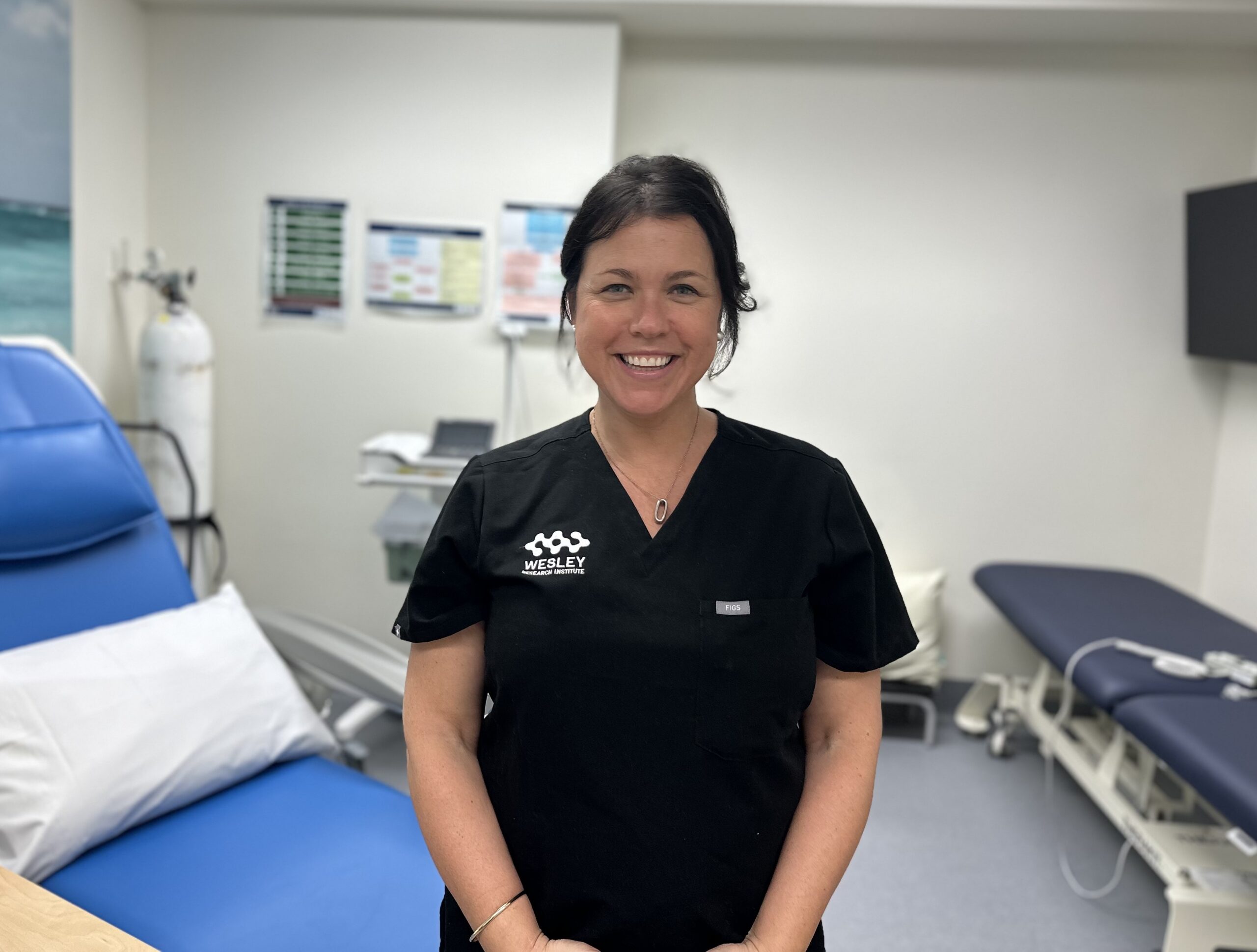
A lot has changed in medical research since 2013, but Jacqui’s dedication to improving treatment options for patients has remained constant. Her transition from nursing into clinical trials highlights both her passion for patient care and her strengths in coordination and leadership. At WRI, she plays a pivotal role in neurology trials, helping turn innovative research into meaningful outcomes for patients.
We had the opportunity to sit down with Jacqui to reflect on her remarkable 25 years as a nurse and her 13 years as a Clinical Trial Coordinator at WRI.

Tell us about yourself
I grew up between New Zealand and England, with a Kiwi Mum and a British Dad, which gave me a broad and culturally diverse perspective from an early age. Moving between the two countries helped shape my adaptability and confidence, both personally and professionally.
I completed my Bachelor of Nursing at Queensland University of Technology. As my career progressed, I undertook further study at the University of Tasmania, completing a Postgraduate Certificate in Nursing with a focus on Leadership in Practice. This additional qualification strengthened my leadership capabilities and supported my development within the clinical research field.
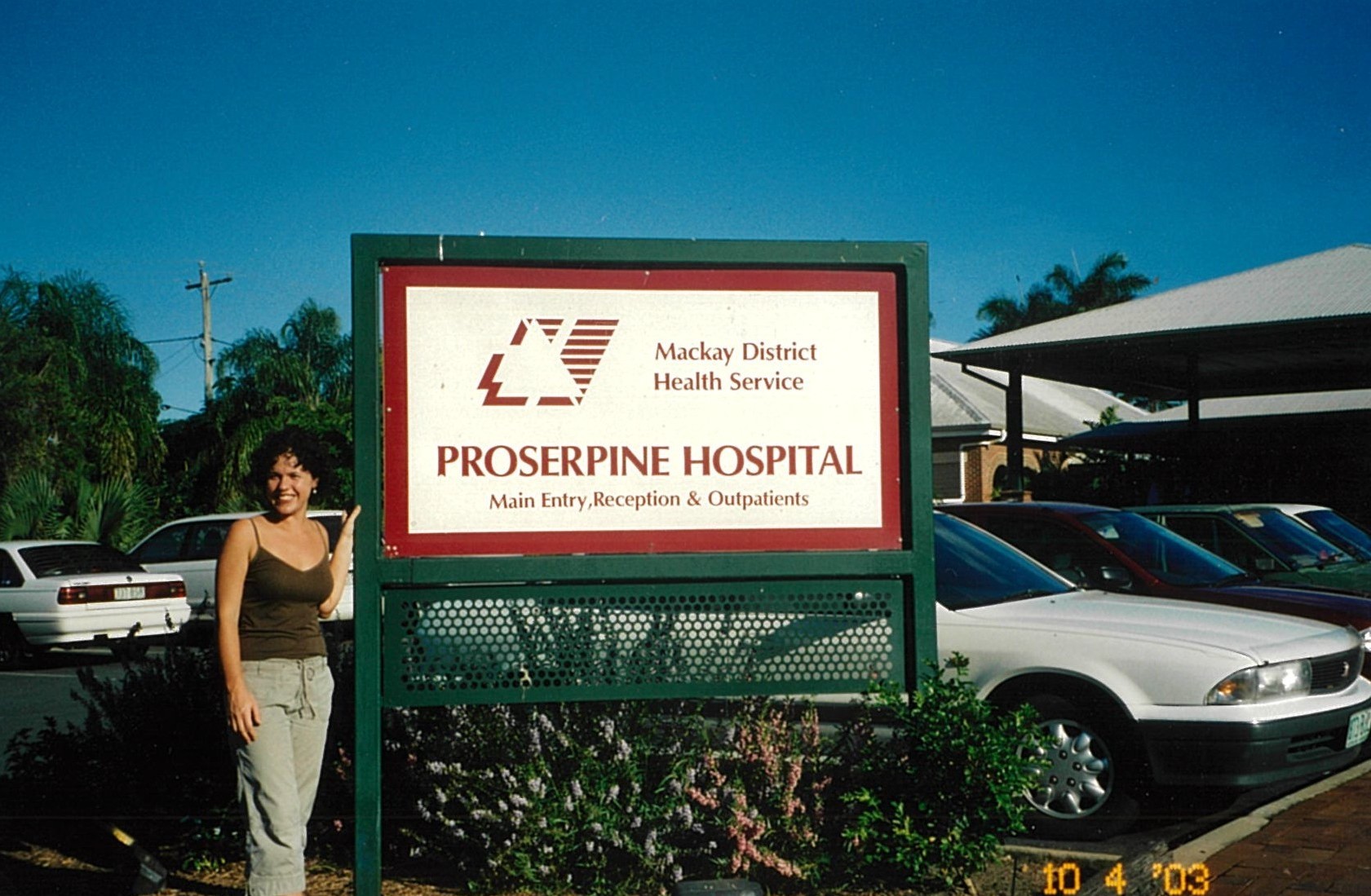
I commenced at WRI in April 2013. Over the years, I have been involved in a wide range of clinical trials and have had the privilege of seeing research translate into real-world treatments, which has been incredibly rewarding.
How did you get into nursing?
Before pursuing nursing, I spent 10 years working as a Personal Assistant, where I developed strong organisational, communication, and administrative skills – in hindsight essential skills for a clinical trial coordinator. After completing my nursing degree, I returned to the UK and worked in paediatrics.
I’ve always loved nursing because it allows me to make a real difference in people’s lives every day.
During my time nursing in various London hospitals, I was exposed to clinical research and clinical trials. This experience sparked my interest in combining my administrative strengths with my passion for patient care. Clinical research felt like a natural fit. It allowed me to support patients directly while working within a structured, detail-oriented environment where coordination and precision are critical.
I realised that clinical research offered the opportunity to contribute not only to the care of individual patients, but also to the development of future treatments. Being part of something larger than day-to-day clinical care, helping to advance therapies and improve outcomes for future patients, confirmed that this was the right career path for me.
How would you describe your role to someone outside the industry?
I describe my role as being the central link between patients, clinicians, and researchers. I coordinate all aspects of clinical trials to ensure they are conducted safely, ethically, and in strict accordance with protocols.
I work within the neurology team, focusing on conditions such as Motor Neurone Disease and Muscular Dystrophy.
How do you keep trials running smoothly?
Effective communication and coordination are essential. I work closely with clinicians, researchers, and patients to ensure everyone is well-informed, supported, and aligned. Patient advocacy is at the core of everything I do. Clinical trials simply wouldn’t be possible without participants, so ensuring their safety, understanding, and overall well-being is always my top priority.
What makes an effective clinical trial team?
A successful clinical trial team is collaborative, supportive, and respectful of each member’s expertise. Being a strong team player is essential, as each role contributes uniquely to the success of a trial. Open communication, mutual respect, and a shared commitment to patient care underpin an effective team.
What moments in your work feel the most rewarding or meaningful?
One of the most meaningful aspects of my role is when patients tell us they feel like part of a family during their trial journey. It is especially impactful when a trial comes to an end and they express that they don’t want to leave, it reflects the trust, care, and strong relationships we’ve built together.
Another highlight has been seeing several drug trials I’ve worked on progress to being listed on the Pharmaceutical Benefits Scheme (PBS), making them accessible to patients. Knowing I’ve played a role in that journey provides a genuine sense of contribution and lasting impact.
Any patient’s journey that has stuck with you over the years?
One patient who immediately comes to mind is Wayne. Diagnosed with Pompe disease earlier in life, a rare, inherited condition caused by a genetic mutation that prevents the body from breaking down glycogen, Wayne faced the significant physical and emotional challenges that come with such a debilitating disorder.
Dr Robert Henderson, a neurologist at the Wesley Hospital with a strong interest in neuromuscular clinical trials, diagnosed Wayne and quickly recognised him as an ideal candidate. He applied for Wayne’s participation, and in 2018 Wayne was enrolled in his first clinical trial. Since then, he has experienced remarkable improvements.
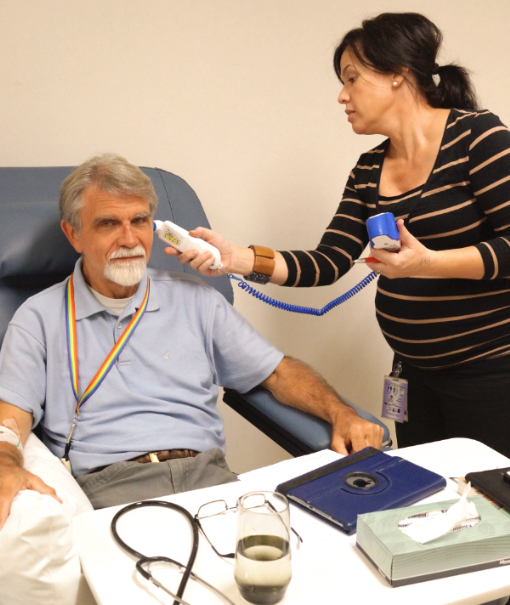
The study he joined aimed to evaluate a new investigational treatment against the current standard therapy for late‑onset Pompe disease, offering hope for improved outcomes.
“I joined the medical trial in November of the same year, with Wesley Research Institute hosting. I was the only Australian to take part in the trial,” says Wayne when we recently caught up with him.
“It’s no exaggeration to say that the Enzyme Replacement Therapy (ERT), treatment for Pompe Disease saved my life. “In practice, the eight-plus years since my diagnosis have been remarkably stable. This has allowed normal pursuits, including gardening and volunteering,” mentions Wayne.
“The treatment for Pompe, halted years of accelerating decline and added far richer ones,” says Wayne.
I’ve stayed in touch with Wayne throughout his journey, checking in during his visits and supporting him along the way. Building ongoing, meaningful relationships with patients like Wayne is one of the most rewarding parts of my work.
What impact do you ultimately hope your work will have on patients or clinical care?
I hope my work helps improve patient outcomes and supports the advancement of clinical practice. Contributing to research that leads to better treatments and broader care options for future patients is deeply fulfilling.