Wesley Research Institute
Donate
Now

Give Hope A Name This Christmas

Your support can play a vital role in advancing life-changing research. Our scientists are uncovering new ways to personalise treatment and improve outcomes for people facing serious illnesses, like cancer.


Learn More

Fighter immune cells near tumours could boost survival for ovarian cancer patients - QSBC

An Australian-first study is giving new hope to women facing one of the deadliest cancers, with scientists discovering that the survival odds of ovarian cancer patients may rise when certain ‘fighter’ immune cells are located close to their tumours, opening the door to smarter, personalised treatments.


Learn More

Celebrating 30 Years of Delivering Real Health Impact

Since our founding in 1994, Wesley Research Institute (WRI) has grown into a leader in health and medical research, consistently working to improve patient outcomes.


Read More

Clinical Trials

Explore our clinical trials open for participation, with focus areas on Coeliac Disease and Immune Health, Cardiology and Critical Care, Pulmonary Hypertension, Orthopaedics, Neurology and Rare Diseases.


Learn More
I am looking for

Established in 1994, Wesley Research Institute is the official research partner for UnitingCare. Our research extends across the UnitingCare network including Lifeline, Bluecare and four private hospitals, St Andrew's War Memorial Hospital, The Wesley Hospital, Buderim Private Hospital and St Stephen's at Hervey Bay.

We predominately focus on translational research and work closely with experienced doctors, nurses and allied health professionals to deliver improved treatments, better diagnostics, and enhanced care.

We are focused on making a real difference, committed to providing better outcomes and quality of life for patients and their families, as well as building supportive communities.

Learn More About WRI

Research into faster and more accurate diagnosis

Improve understanding
around the causes of disease and better prediction of disease progression

Increase survival and quality of life for patients and families

Explore WRI

Acknowledgement of Country

We acknowledge the Turrbal and Yuggera peoples as the Traditional Custodians of the land on which Wesley Research Institute now stands. We pay our respects to Elders past, present and emerging.

Latest News & Discoveries
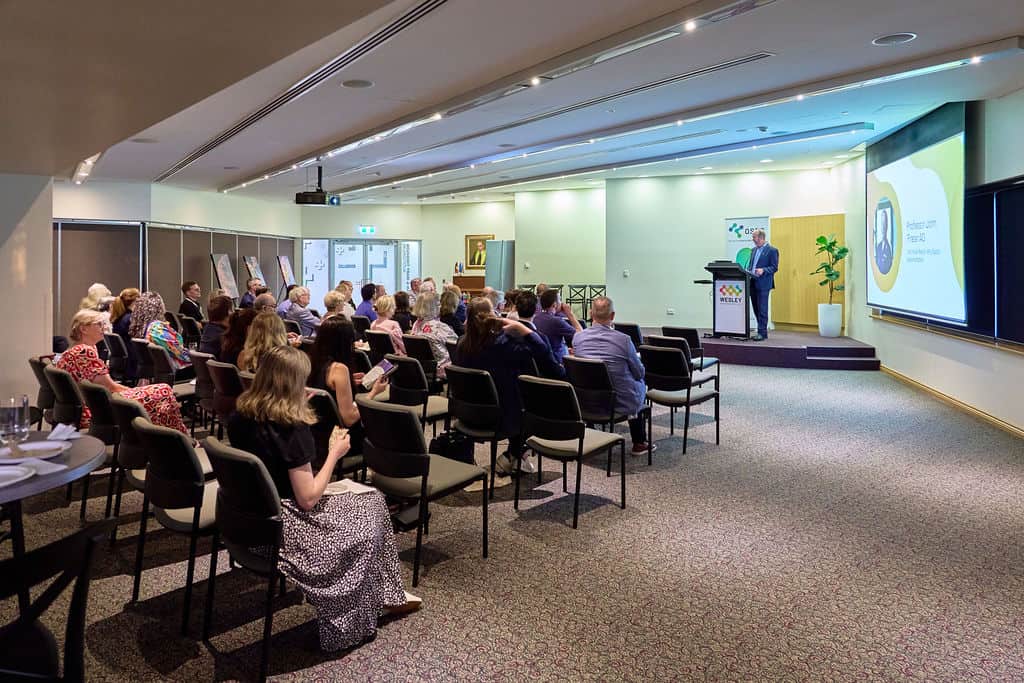
Thank you to all who joined our Advocates Event – Spatial Biology: A New Frontier of Precision Medicine

On 24 Nov, the Wesley Hospital Auditorium saw a community of medical research advocates come together to learn more about spatial biology and the latest research efforts from the Wesley Research Institute's Queensland Spatial Biology Centre.

The Impact of Financial Stress of a Gluten-Free Diet for People with Coeliac Disease: New Research in Australia 

WRI researchers are calling upon people living with coeliac disease in Australia to participate in research to map the quality of life in this current cost-of-living crisis and whether this is impacting their ability to adhere to a gluten-free diet.

Give Hope a Name This Christmas

Your support can play a vital role in advancing life-changing research at Wesley Research Institute. Our scientists are uncovering new ways to personalise treatment and improve outcomes for people facing serious illnesses, like cancer. 

Kidane’s PhD Journey: Bridging Spatial Biology Research and Patient Care

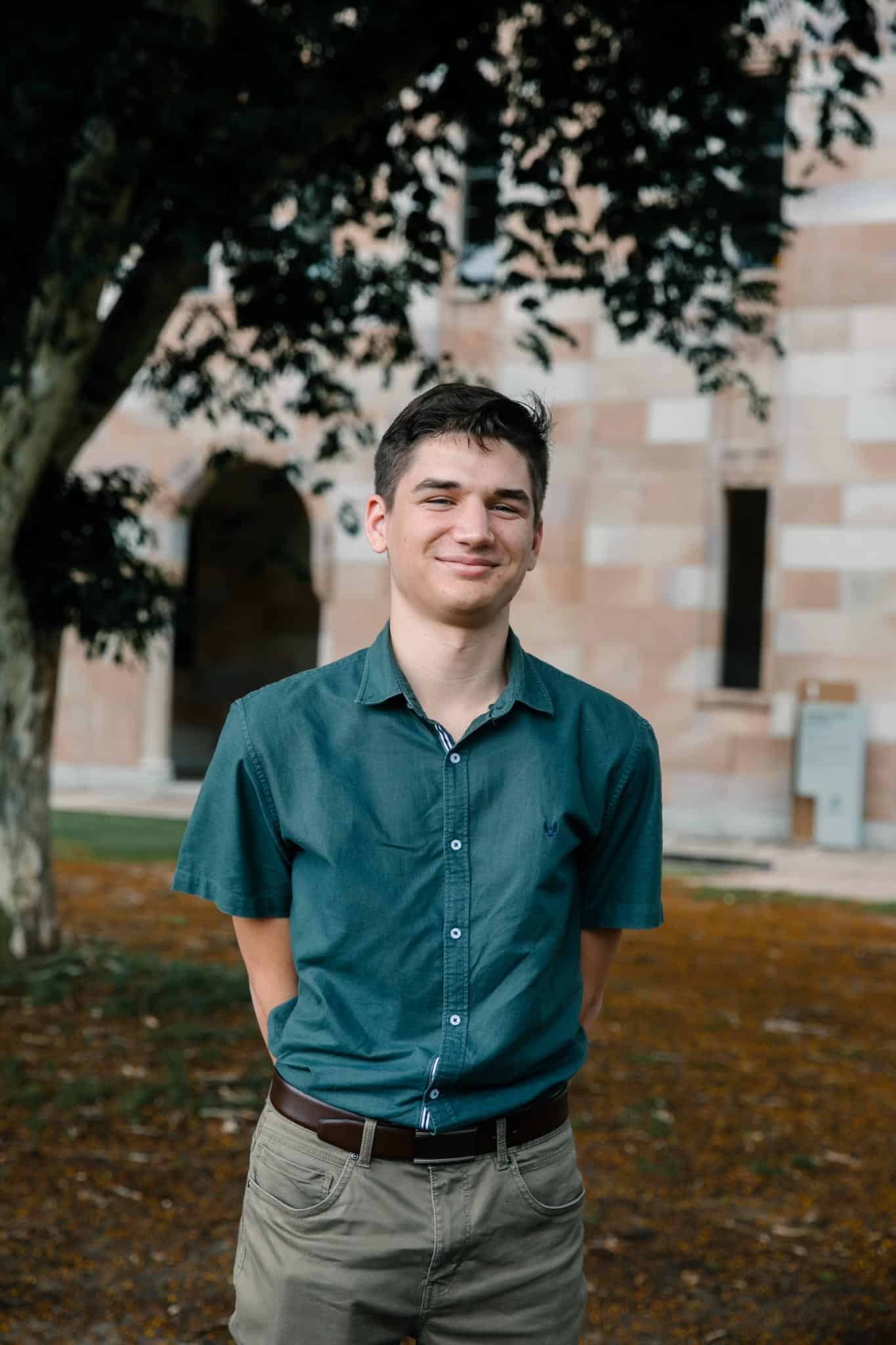
We had the pleasure of sitting down with Kidane Siele Embaye, a PhD student at the Frazer Institute, The University of Queensland and a key collaborator within the Queensland Spatial Biology Centre (QSBC). Originally from Eritrea, Kidane’s journey from a medical doctor to studying cutting-edge research is nothing short of inspiring.

Marjorie’s Story: Cancer, Courage and the Power of Contribution  

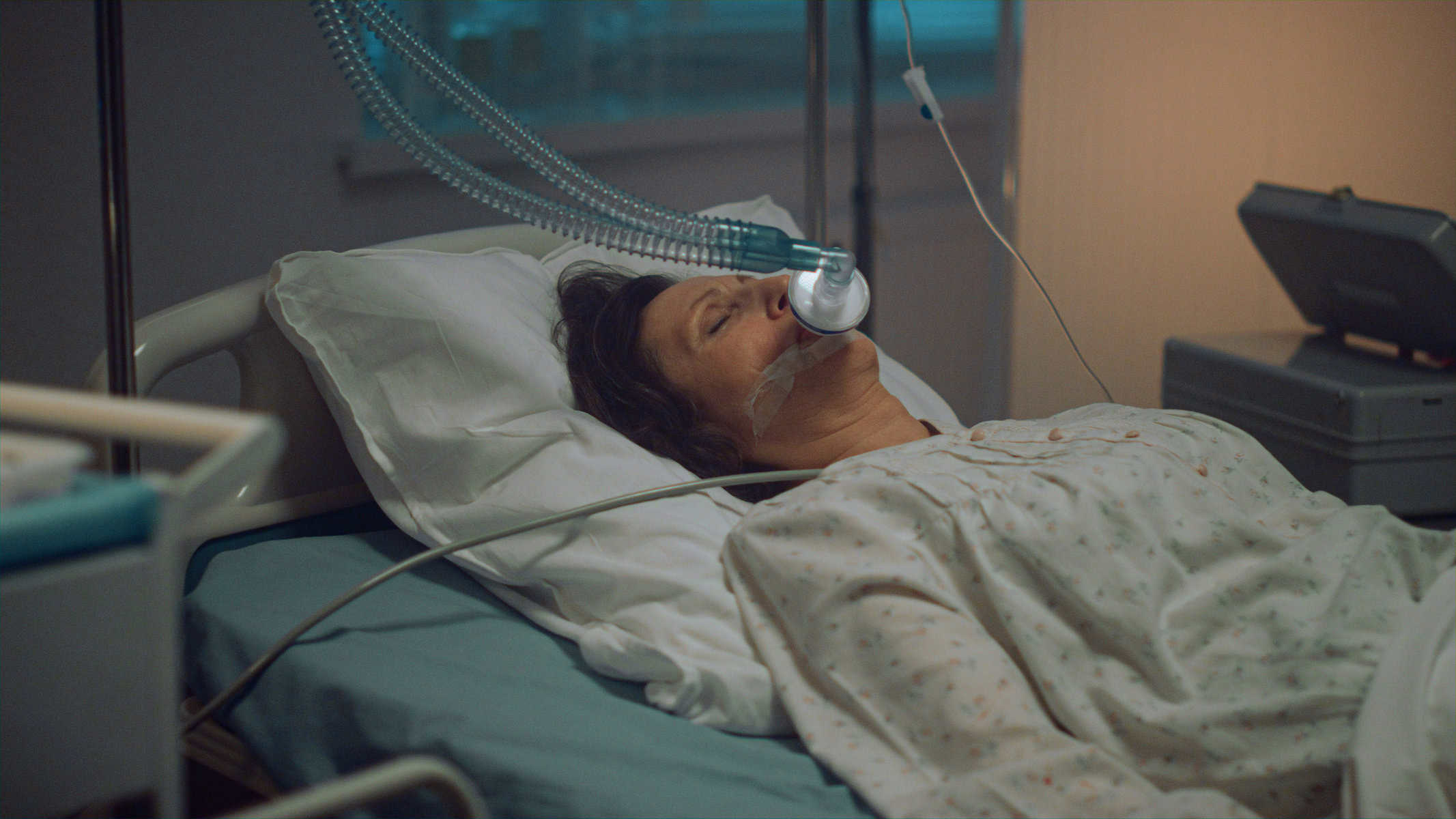
After being diagnosed with breast cancer in 2020, her journey didn’t stop at treatment. Marjorie chose to participate in research after her latest surgery. 

Facing ALS: Dean’s Story  

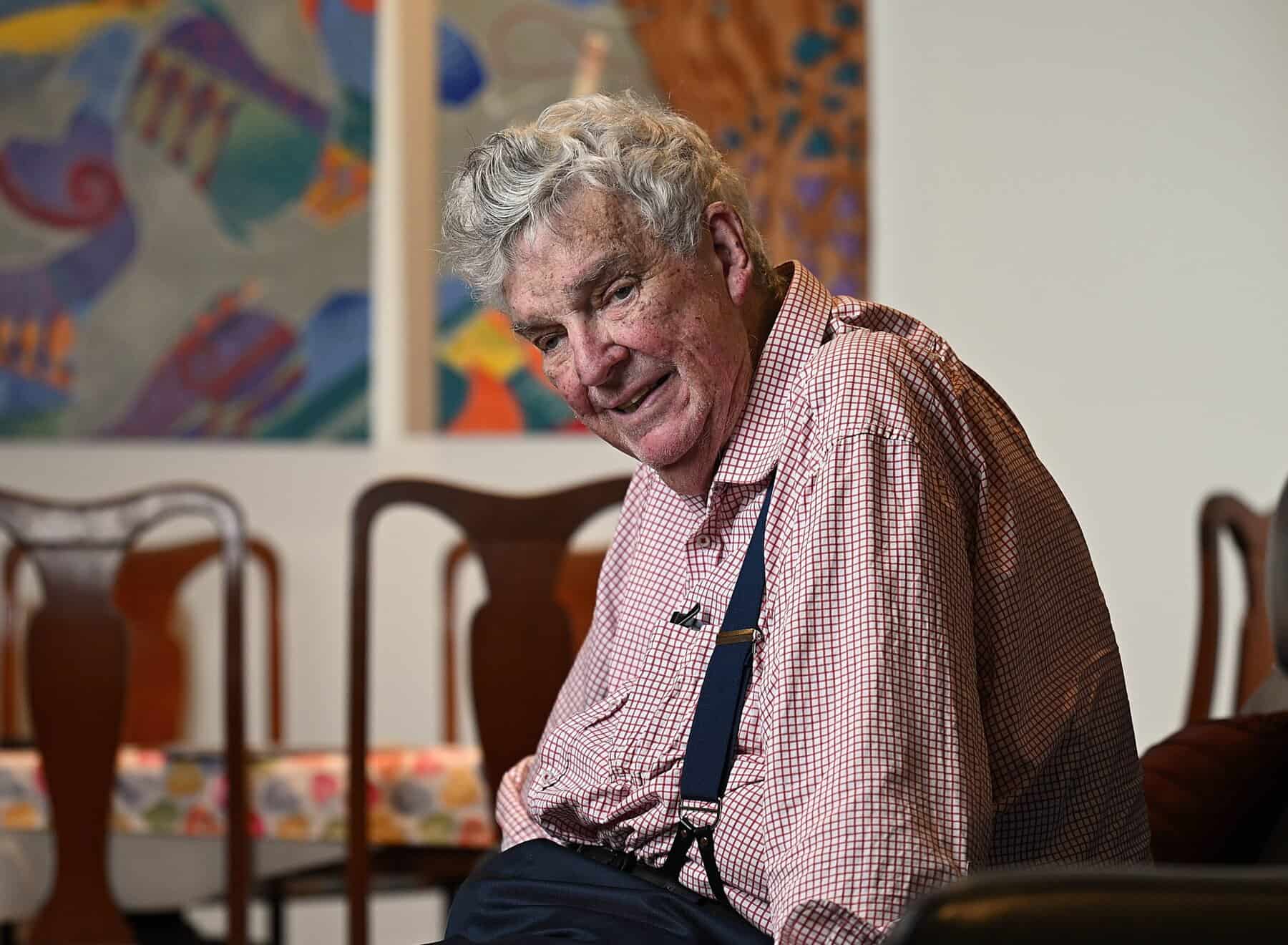
Dean, 60 from Brisbane is living with ALS, a rare, neurodegenerative condition that affects the nerve cells responsible for voluntary muscle movement. He shares his story and his experience in participating in MND clinical trials.
1 2 3 14
See All News
linkedin facebook pinterest youtube rss twitter instagram facebook-blank rss-blank linkedin-blank pinterest youtube twitter instagram