
Tharuka was born and raised in Brisbane, Australia, in a close-knit Sri Lankan-Australian family. The youngest of two siblings, he grew up with a passion for sport, the outdoors, and technology. At 26, he’s completed dual degrees in Finance and Computer Science at QUT and works full-time in a fintech company. Behind his active lifestyle lies a life-changing diagnosis: Pulmonary Arterial Hypertension (PAH).
Diagnosis at 11: A Seizure That Sparked Answers
Tharuka was diagnosed with Pulmonary Arterial Hypertension (PAH) at the age of 11. Before the diagnosis, he had started noticing symptoms like shortness of breath and fatigue, but these were often attributed to asthma, which he’d had since early childhood. It wasn’t until a sudden seizure at the beach during a family trip to the Gold Coast that doctors began to look deeper. He was rushed to hospital, initially treated locally, and then transferred to Mater Children’s Hospital in Brisbane, where further testing, including a right heart catheterization (RHC), confirmed the PAH diagnosis.
Although the timeline from the seizure to diagnosis was relatively fast, Tharuka reflects that the symptoms had been building for months. “It’s hard to pin down exactly when it all started,” he says. “But I just remember feeling more out of breath than usual and getting tired easily.”
Growing Up With PAH: The High School Years
At first, the weight of the diagnosis didn’t fully register. “I was 11. They told me I needed to take tablets, and I just thought, ‘Okay, sure.’” But things changed when he began intravenous therapy the following year and had a PICC line inserted. “That was a turning point. Before that, I looked like any other kid. After that, I started to feel different.”
Tharuka missed the end of primary school, including his graduation, and started high school while navigating complex treatment. “From Year 8 to Year 10, it got tough mentally,” he shares. “I didn’t talk to many people about what I was going through. I withdrew a bit, played a lot of video games, and just tried to get through the days.”
Despite the challenges, Tharuka found an unexpected source of support through online friendships built around games like Minecraft and Call of Duty. “Even though I didn’t talk to them about my condition, just having people to connect with helped a lot.”
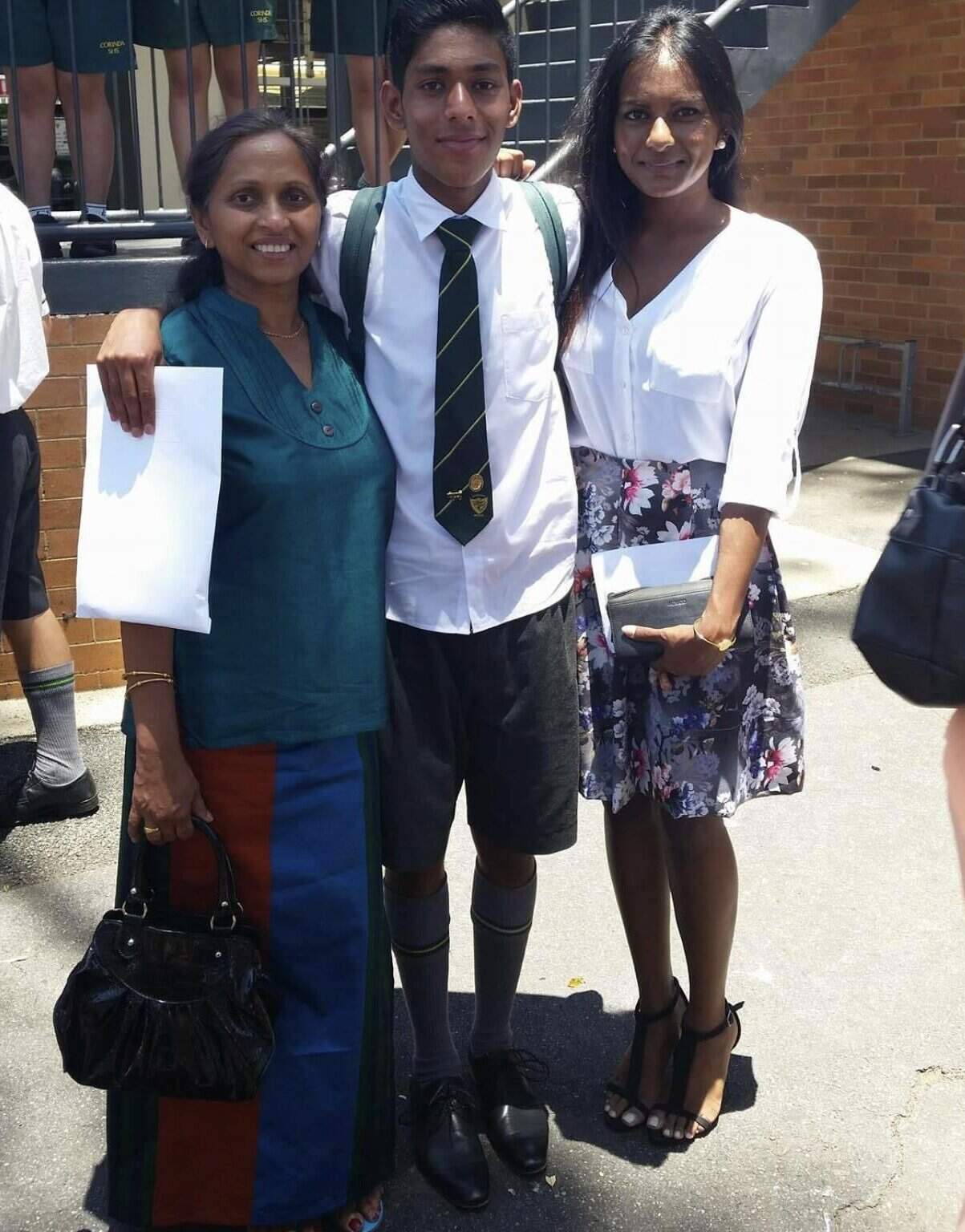
Tharuka with his mum and sister
Participating in a Clinical Trial
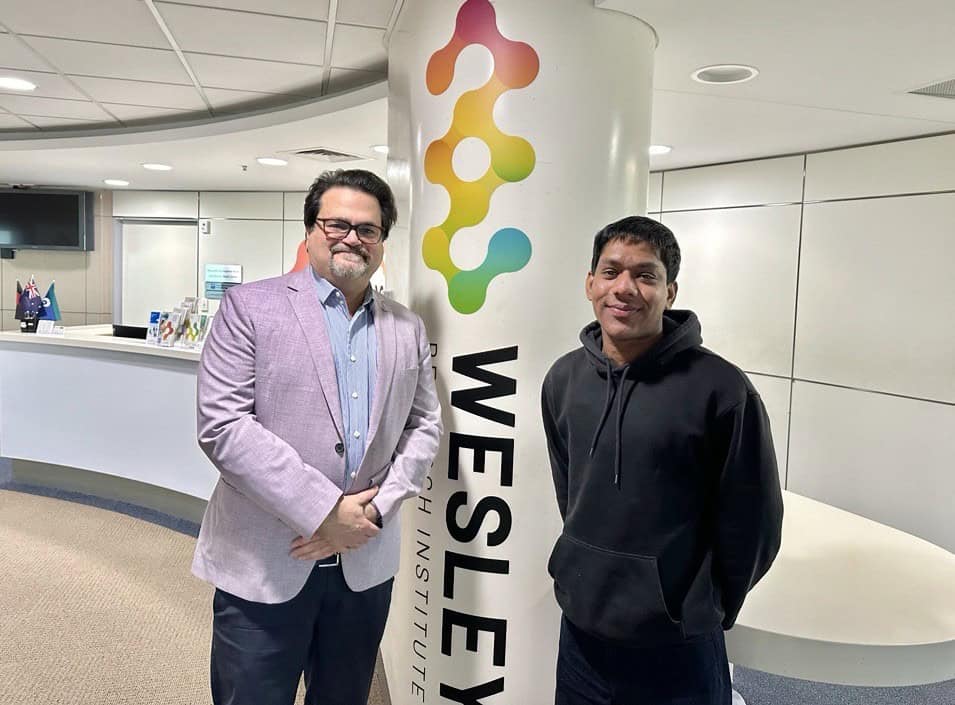
Recently, Tharuka was invited to participate in a clinical trial for a new PAH treatment. After being told for years that he was “too healthy” or “too young” for most trials, this opportunity came at the right time. Now in his 10th week of trials and visiting WRI, he’s beginning to notice subtle improvements.
“I’ve always stayed active. I gym five to six days a week and play indoor soccer—but there have been moments lately where I’ve felt like I can push myself a bit more. I did a bike ride around Rottnest Island recently, and even though there were hills, I managed better than I expected.”
Regular echoes have shown encouraging results too. “Dr Feenstra was pretty happy with what he saw,” Tharuka says. “It feels good to know that something might be working.”
Tharuka is under the care of Dr John Feenstra, Kerri-Lee Driver and the team at Prince Charles Hospital, whom he credits as major supports in his journey. “I’m fortunate to have them. Dr Feenstra is especially passionate about research. It’s been eye-opening to meet the team behind the clinical trials. It’s given me a whole new appreciation for the work they do.”
Dr John Feenstra with Tharuka
For young people newly diagnosed with PAH, Tharuka has one clear message: give it time.
“It’s tough being diagnosed young, and it’ll take a while to come to terms with your new reality. But eventually, you’ll find your way. It might feel like trudging through mud at first, but over time, things will start to make sense and fall into place.”
He also encourages people to reach out when they’re ready. “I didn’t talk much about it when I was younger, but now I try to be available to others with PAH. There was another patient in Melbourne going through a rough patch, and the hospital put us in contact. Just talking and sharing what life can look like post-diagnosis gave him some direction.”
When asked what he hopes future treatments for PAH will bring, Tharuka answers thoughtfully, “Realistically, nothing is going to make my condition go away suddenly. The key is getting your mindset in the right place, because no matter how good the treatment is, you still need to come to terms with what you’re facing.”
Anything that can help ease the symptoms and improve quality of life is a win.
Tharuka
“The team here has been really great. It’s been eye-opening to meet the people behind the scenes who are trialling new medicines and treatments for PAH. You don’t realise how much goes into it until you’re part of it. As a participant, it feels like such a small thing. I just come in, take the medicine, and that’s it. But knowing it contributes to broader, even international research? That’s pretty cool.”
Learn more about Pulmonary Hypertension research and the team behind the clinical studies.