Research Theme
Pulmonary Hypertension
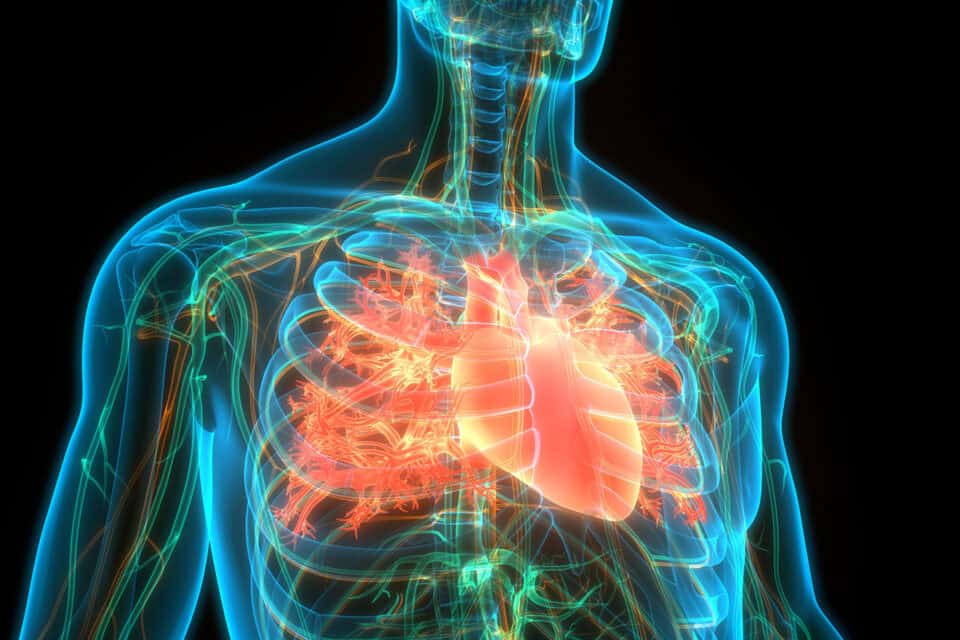
About this research theme
Pulmonary Hypertension is a serious condition characterised by high blood pressure in the blood vessels of the lungs. Unlike regular blood pressure measured in the arm, PH refers to the pressure inside the vessels within the lungs, which can only be confirmed through an invasive procedure. This elevated lung pressure causes patients to feel short of breath and, if left untreated, can ultimately lead to right heart failure and death.
Historically, PH had a very poor prognosis, with patients living just over two years on average. However, the development of new therapies has allowed some patients to live 10 to 15 years with the condition. The research program focused on four major patient groups of Pulmonary Hypertension, addressing a challenge that has long fragmented treatment across different centres.
Comprehensive PH Care
The Pulmonary Hypertension Research Program (PHRP) aimed to find treatments for a range of PH types:
- Group 1: Pulmonary artery hypertension (PAH)
- Group 2: PH due to left-sided heart disease
- Group 3: PH due to lung disease
- Group 4: Chronic Thromboembolic Pulmonary Hypertension due to pulmonary artery obstruction (CTEPH)
Each group presents unique challenges and necessitates tailored treatments.
Our PHRP Team

Pulmonary Hypertension Clinical Trials

C5001001

LightRay

PROSERA

INSIGNIA

Lightray OLE

Phocus