

Coeliac disease is an autoimmune disorder that occurs when the immune system causes damage to the body – mainly the small intestine after consuming gluten – a protein found in wheat, barley, and rye. This immune response damages the villi, the tiny finger-like projections in the small intestine that help absorb nutrients. Over time, this damage can lead to severe nutrient deficiencies, gastrointestinal distress, and long-term health complications, including osteoporosis, infertility, and an increased risk of lymphoma.
For decades, the only medically accepted treatment for coeliac disease has been strict adherence to a gluten-free diet (GFD). By eliminating all sources of gluten from their meals, individuals with coeliac disease can theoretically prevent further intestinal damage and alleviate symptoms. However, real-world experiences and recent research suggest that a gluten-free diet alone is not enough for many people living with the condition.

Despite following a GFD for years, many individuals with coeliac disease continue to experience persistent symptoms, ongoing intestinal damage, and a reduced quality of life. Even those who meticulously avoid gluten can suffer from accidental cross-contamination, nutritional deficiencies, and difficulties navigating social situations where food choices are limited.
This blog explores the limitations of the gluten-free diet and why additional treatments are necessary to improve long-term health outcomes for people with coeliac disease. By looking at current research, emerging therapies, and the challenges of maintaining a strict GFD, we will uncover why a more comprehensive treatment approach is needed.
2. Limitations of the Gluten-Free Diet
While a gluten-free diet (GFD) is the cornerstone of coeliac disease management, it is not a perfect solution. Many people with coeliac disease continue to struggle with persistent symptoms, nutritional deficiencies, and ongoing intestinal damage despite following a strict gluten-free regimen. Below, we explore some of the key limitations of the GFD and why it may not be enough as a standalone treatment.
1. Incomplete Symptom Resolution and Intestinal Healing
Research has shown that a significant percentage of individuals continue to experience villous atrophy and ongoing gut inflammation, even after years on a GFD.
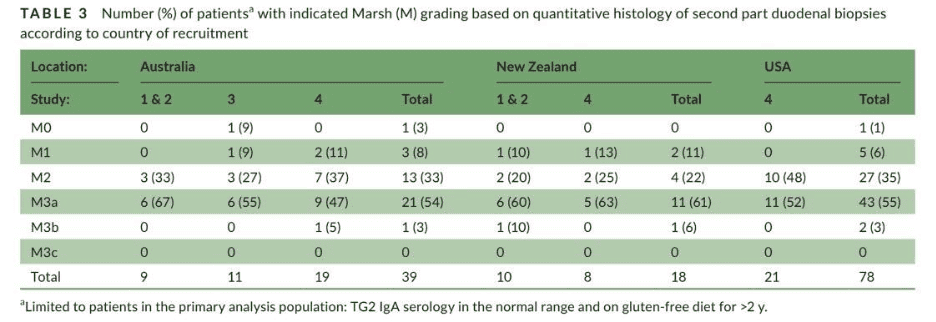
A study published in GastroHep, co authored by the WRI Director of the Coeliac Disease and Immune Health Research Program, Dr James Daveson, found that up to 50% of adults with coeliac disease fail to achieve full intestinal healing within two years of following a gluten-free diet.
Study: https://onlinelibrary.wiley.com/doi/abs/10.1002/ygh2.380
This ongoing damage increases the risk of long-term complications, including malnutrition, osteoporosis, and an increased (though very small) risk of cancer.
2. Risk of Cross-Contamination
A major challenge in maintaining a strict GFD is accidental gluten exposure, which can occur even when individuals are extremely careful. Gluten is present in many unexpected places, including:
- Processed foods.
- Restaurants and shared kitchens, where cross-contact with gluten-containing ingredients is common
- Everyday household items like cutting boards, toasters, and cooking utensils that may have traces of gluten
Even trace amounts of gluten—less than 50 mg per day (the equivalent of a breadcrumb)—can trigger an autoimmune response and cause intestinal damage in people with coeliac disease. This makes it extremely difficult to ensure complete safety, even for those who are diligent about avoiding gluten.
3. Nutritional Deficiencies
A GFD can sometimes lead to nutritional imbalances because many gluten-free products are:
- Lower in fiber (leading to digestive issues like constipation)
- Higher in sugar and unhealthy fats (to improve taste and texture)
- Lacking essential nutrients such as iron, calcium, folate, and B vitamins
Studies have shown that people following a GFD often have higher levels of cholesterol, lower fiber intake, and vitamin deficiencies compared to those on a regular diet. This can lead to an increased risk of heart disease, bone disorders, and anemia over time.
4. Quality of Life and Social Challenges
Living with coeliac disease is not just about what you eat, it significantly impacts how you live. A strict GFD can create emotional, financial, and social challenges, including:
- Social isolation due to difficulty eating out or attending events with limited gluten-free options
- Higher grocery costs, as gluten-free products are often significantly more expensive than regular alternatives
- Mental health concerns, such as anxiety and depression, due to the stress of constantly managing the disease and avoiding gluten exposure
For many people with coeliac disease, these daily struggles make life on a GFD frustrating and exhausting.
Emerging Therapies Beyond the Gluten-Free Diet
Given the limitations of the gluten-free diet (GFD), researchers are actively exploring alternative and complementary treatments to help individuals with coeliac disease achieve better health outcomes. These new therapies aim to improve intestinal healing, reduce immune system overreaction, and minimise the risks of accidental gluten exposure. Below, we discuss some of the most promising treatment options currently being researched.
1. Enzyme Therapy: Breaking Down Gluten Before It Causes Damage
One approach to managing coeliac disease beyond a GFD is the use of enzymes that break down gluten peptides before they can trigger an autoimmune response.
These enzymes, often referred to as glutenases, are designed to break gluten into smaller, non-toxic fragments in the stomach before they reach the small intestine.It is these undigested peptide fragments that trigger the immune response in people with celiac disease.
Early clinical trials suggest that enzyme supplements could help reduce the impact of accidental gluten exposure, especially in cases of cross-contamination.
However, enzyme therapy does not allow people with coeliac disease to eat gluten freely, it is meant to serve as an added layer of protection.
2. Immune Modulation: Retraining the Immune System
Since coeliac disease is an autoimmune disorder, some therapies aim to suppress or retrain the immune system so that it no longer reacts aggressively to gluten.
One promising approach involves using immune tolerance therapy, which exposes the body to small amounts of gluten-derived peptides in a controlled way. This method is similar to how allergy desensitisation therapy works and aims to:
- Reduce the overactive immune response to gluten
- Prevent inflammation and damage in the small intestine
- Help individuals tolerate small amounts of gluten without triggering severe symptoms
Research in this area is ongoing, with new immune-based therapies being developed.
3. Intestinal Barrier Modulators: Strengthening the Gut Lining
One reason people with coeliac disease react so strongly to gluten is that their intestinal barrier is more porous, allowing gluten peptides to pass through and trigger an immune attack. Scientists are developing drugs that:
- Strengthen the tight junctions in the gut, making it harder for gluten to pass through
- Reduce inflammation and permeability, preventing the immune system from being activated unnecessarily
One drug currently being tested, larazotide acetate, has shown promise in reducing symptoms after gluten exposure by improving gut barrier integrity.
4. Tissue Transglutaminase Inhibitors: Blocking the Key Enzyme Behind the Autoimmune Response
In coeliac disease, the body’s immune system attacks an enzyme called tissue transglutaminase (TG2), which plays a key role in modifying gluten proteins and making them more inflammatory. Scientists are investigating TG2 inhibitors, which aim to:
- Block the harmful effects of TG2, reducing the immune system’s response to gluten
- Prevent the production of toxic gluten peptides, thereby minimising inflammation and intestinal damage
Although this approach is still in its early stages, it represents a potential breakthrough in treating coeliac disease at a biochemical level.
What This Means for the Future
The development of these next-generation therapies could dramatically improve the lives of people with coeliac disease by:
- Reducing the risk of accidental gluten exposure
- Allowing for greater dietary flexibility
- Improving gut healing and preventing long-term complications
- Minimising the social and emotional burdens of a strict gluten-free diet
While no treatment has yet replaced the gluten-free diet as the primary management strategy, the future looks promising. With continued research and clinical trials, coeliac disease treatment may soon go beyond dietary restrictions, offering better health outcomes and a higher quality of life for those affected.
Current Research and Clinical Trials
As awareness of the limitations of the gluten-free diet (GFD) grows, researchers worldwide are accelerating efforts to develop new treatments for coeliac disease.
Here, we explore some of the most promising ongoing research efforts and what they mean for the future of coeliac disease management.
2. Wesley Research Institute’s Role in Advancing Coeliac Disease Research
The Wesley Research Institute is actively involved in studying the long-term impact of the gluten-free diet and investigating new potential treatments. Their research has revealed that many people with coeliac disease still suffer from villous atrophy (intestinal damage) despite years on a strict GFD.
Key focus areas of Wesley Research Institute’s work include:
- Examining why some patients fail to heal on a GFD and what alternative treatments could support full recovery.
- What are the smallest doses of gluten that result in the activation of the immune response in coeliac disease.
- Increasing awareness of the condition by conducting studies that case-find undiagnosed coeliac disease in high risk groups – thereby supporting changes in medical practice guidelines
- Collaborating with global researchers to bring the latest clinical trials and innovative therapies to Australia.
What’s Next for Coeliac Disease Treatment?
For decades, people with coeliac disease have been told that the only treatment is a strict gluten-free diet (GFD). But as research advances, it is becoming increasingly clear that a GFD alone is not enough for many individuals. Persistent intestinal damage, accidental gluten exposure, nutritional deficiencies, and the social and emotional burden of the diet all point to the need for better treatment options.
The good news? Scientists and researchers, including those at the Wesley Research Institute, are working tirelessly to trial new therapies and conduct research that could revolutionise the way coeliac disease is managed. Whether through gut barrier protection, enzyme therapies, immune modulation, or tissue transglutaminase inhibitors, the future of coeliac disease treatment is moving beyond diet alone.
At Wesley Research Institute, we are dedicated to advancing research that improves health outcomes for individuals living with coeliac disease.
Want to stay informed? Sign up for to the Coeliac Research Network to receive the latest news on coeliac disease research and upcoming clinical trials!