
Neurology
Motor Neurone Disease: Investigating if specific toxins contribute towards to the onset of MND
Research Objectives
Status
Completed
Recruitment
Closed
Study location
Wesley Research Institute, The University of Queensland
Study type
Investigator Initiated
Lead investigator
- Prof Pamela McCombe (UQ)
Experienced investigator
- Dr Aven Lee (UQ)
About this research project
Motor neurone disease (MND) is a severe disease for which there is no successful therapy. Currently there is no cure for MND. The best approach in clinical practice is primary prevention through the modification of risk factors.
In a novel study previously funded by Wesley Research Institute, we have demonstrated that MND patients have increased levels of homocysteine sulfinic acid, an excitotoxin that can be produced by the gut microbiota.
In this follow up study, we will investigate if the increases in these excitotoxins change during disease progression and correlate with survival. These toxins could contribute to the onset of MND. It’s possible that eliminating these gut toxins could lead to better patient outcomes.
Latest News

Webinar- Coeliac Disease: Rethinking Gluten Thresholds
Watch the latest coeliac disease webinar, deep diving into the findings from the Gluten Threshold Study.

Australia’s First Medical Research Giving Day Raises More Than $1.5 million!
On Wednesday 9 September, thousands of Australians came together to support a cause that impacts us all: medical research, raising a total of $1.5 million across Australia!
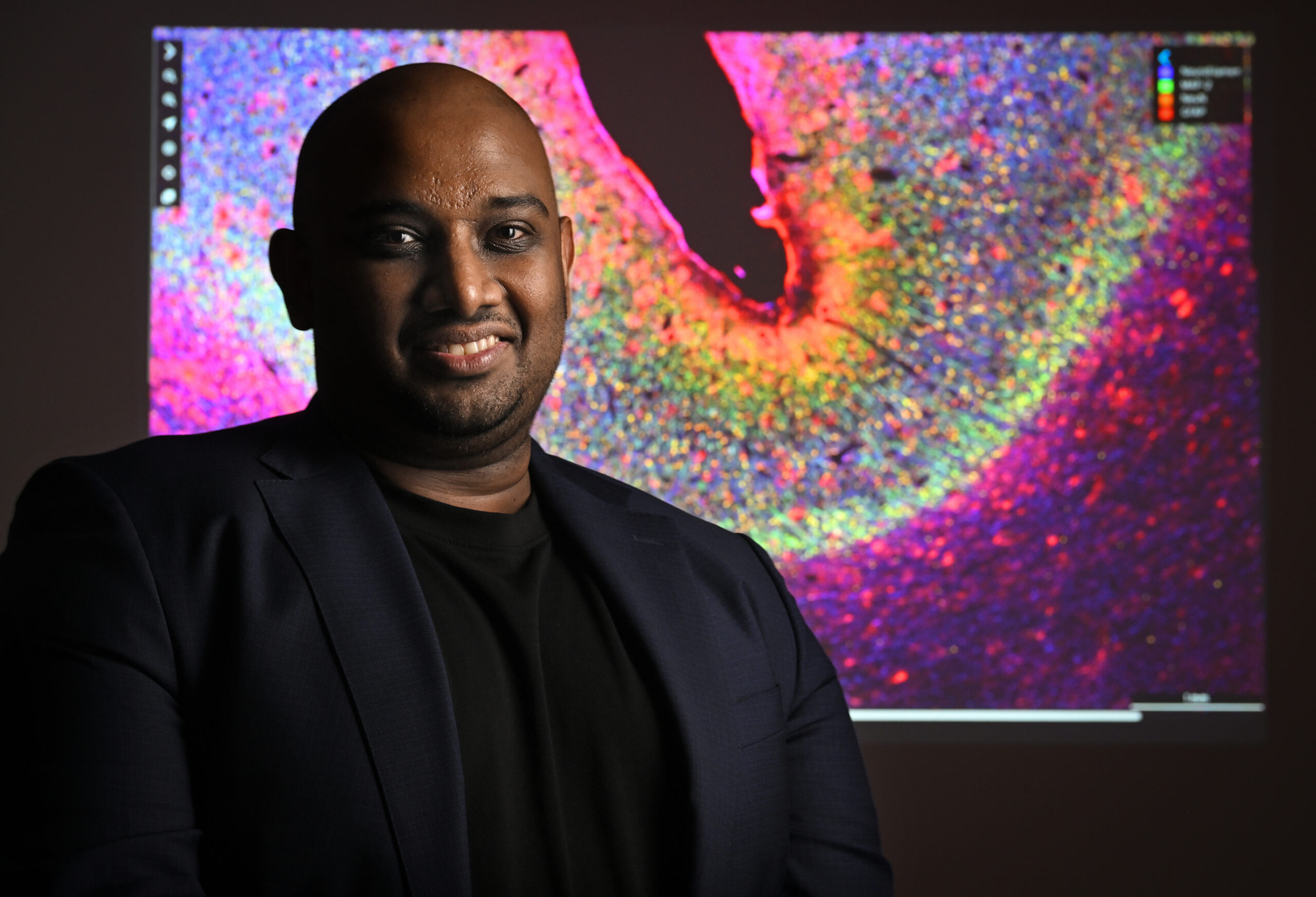
Research Australia Award Winner – Associate Professor Arutha Kulasinghe
Congratulations to Associate Professor Arutha Kulasinghe for winning the 2026 Research Australia UNSW Frontiers Award.