
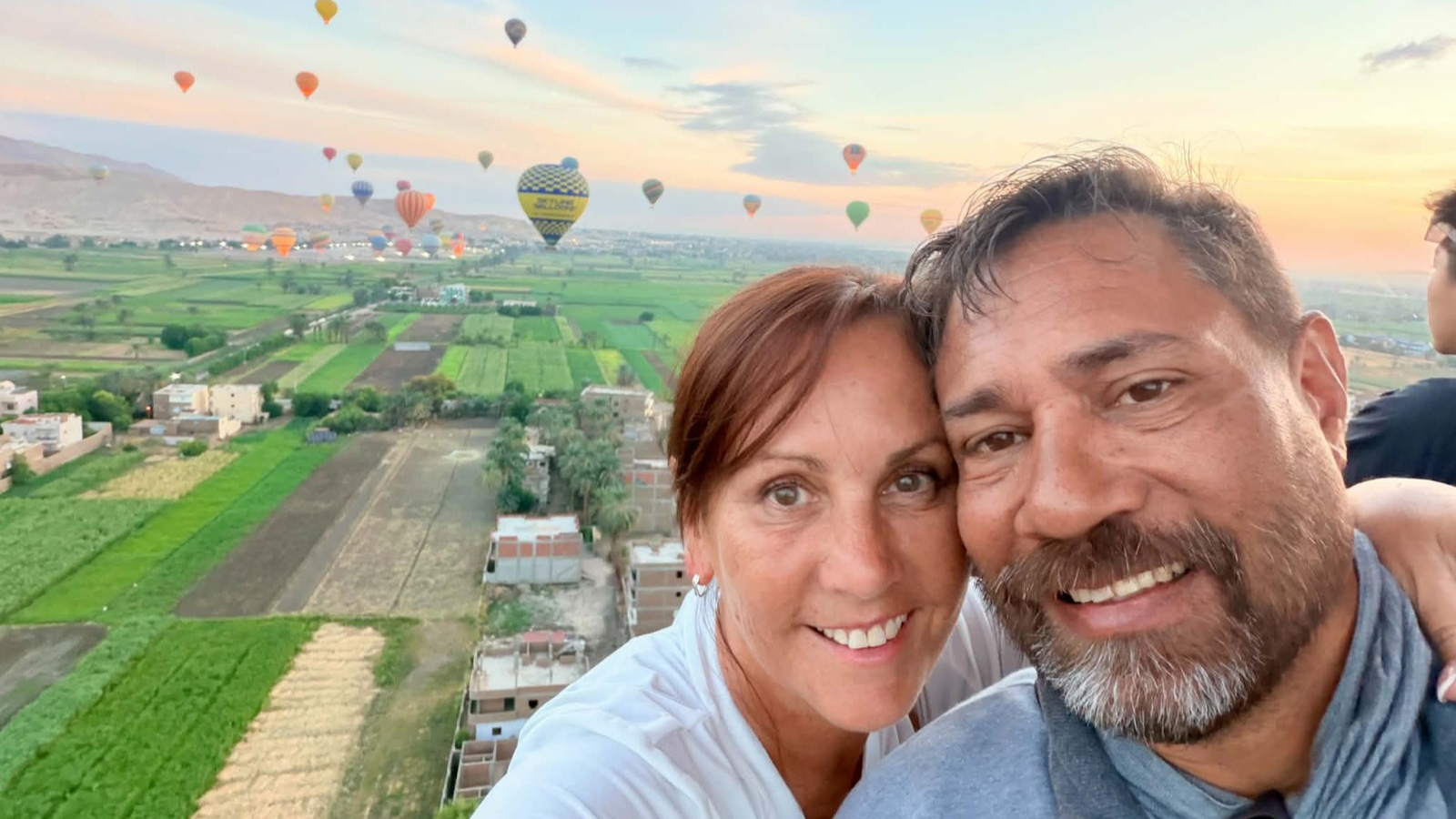
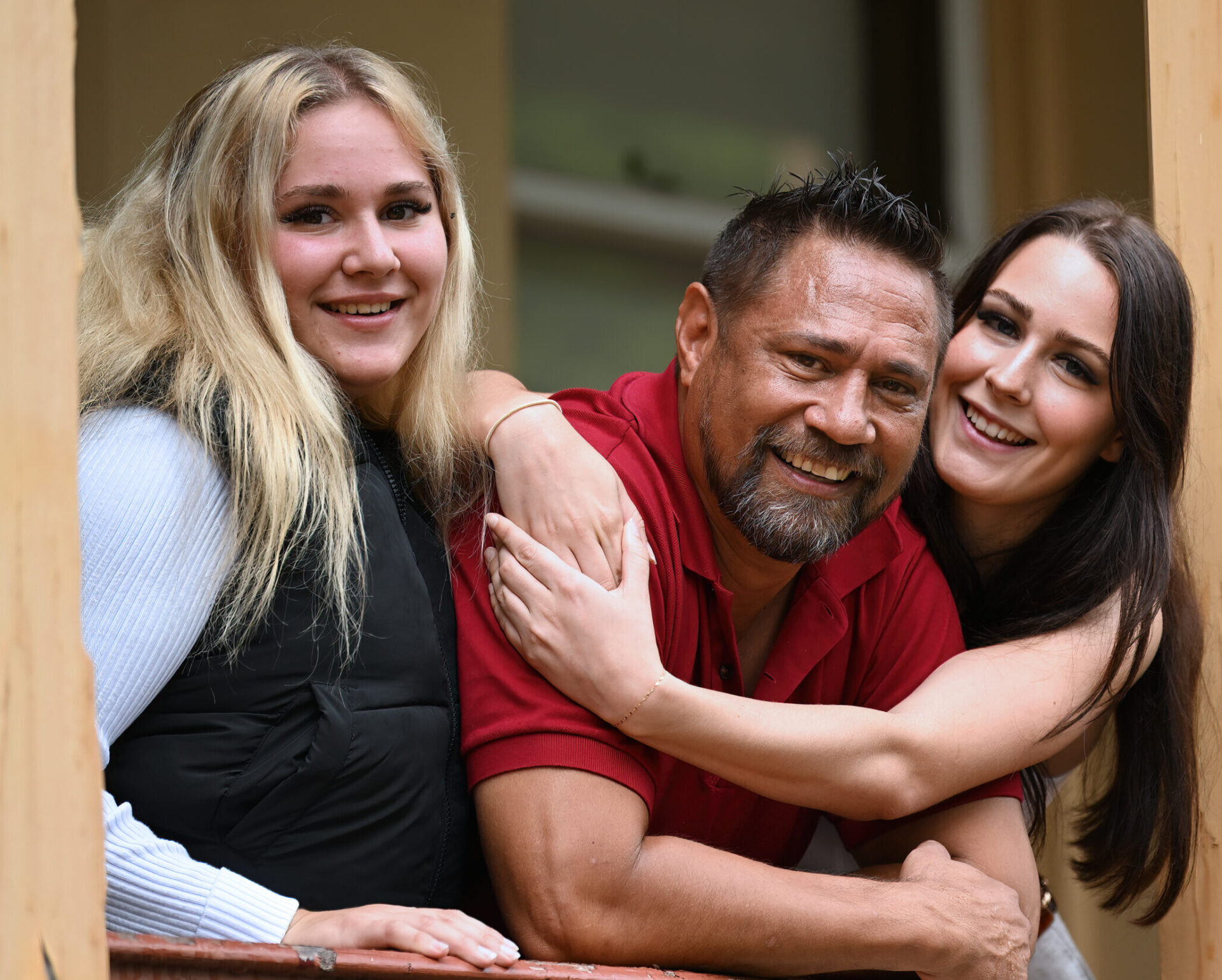
Research has helped Michel Itel OAM keep looking towards a future with his family. Through his connection with Wesley Research Institute, he is helping researchers understand what that future means to people living with cancer.
Michel wants to watch his daughters’ lives unfold. He hopes to become a grandfather. He wants to keep sharing life with his wife, Jen.
Those hopes took on a different meaning in 2017, when he was diagnosed with stage four lung cancer at 42.
Fit and healthy, and having never smoked, Michel was confronted with a diagnosis he had not expected. With Jen’s support, he faced the uncertainty of treatment and the difficult task of telling his daughters.
They had already lost their mother when they were young. Now 10 and 12 their father had to tell them he had a life-threatening illness.
Research made a treatment possible
Testing identified an EGFR mutation in Michel’s cancer, a genetic change that opened the way for targeted therapy.
Research undertaken before his diagnosis helped make that treatment available. For Michel, its value was measured in the possibility of continuing to be there for his family.
Living with cancer also sparked a determination to understand it. His search for answers took him from Brisbane to Washington DC and Barcelona, connecting him with a wider community working to improve lung cancer outcomes.
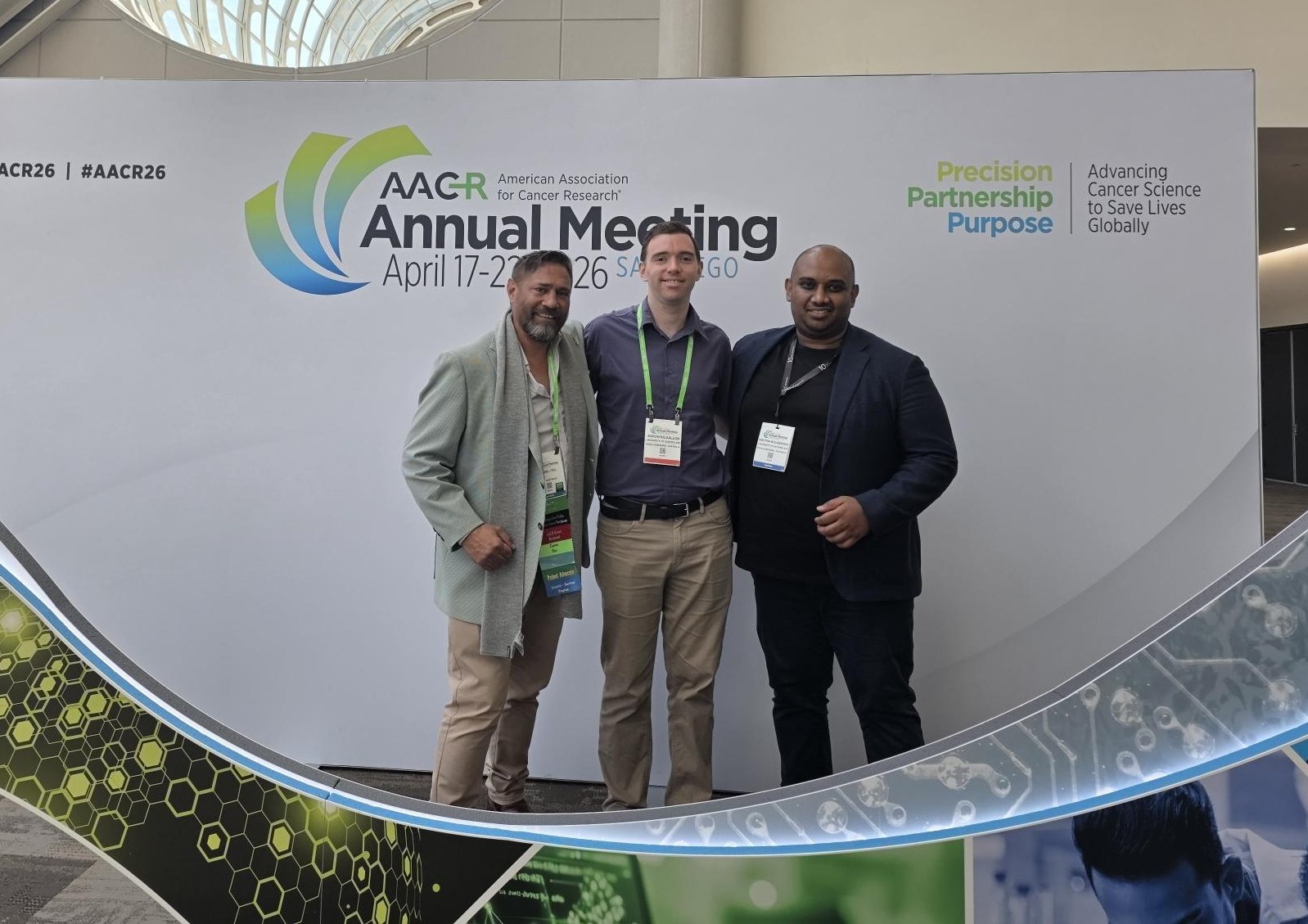
Over time, he became an advocate whose knowledge extended beyond his own experience to cancer biology and the development of treatments.
A shared purpose
At Wesley Research Institute, Michel’s connection with Associate Professor Arutha Kulasinghe, Scientific Director of the Queensland Spatial Biology Centre (QSBC) and The Brazil Family Chair in Spatial Medicine at Wesley Research Institute and The University of Queensland, brings together scientific expertise and the experience of living with cancer.
Their friendship sits alongside a shared commitment to better outcomes for patients.
Arutha recognises Michel’s contribution as both an advocate and a mentor.
Few individuals bridge patient advocacy and scientific mentorship as authentically as Michel.
Associate Professor Arutha Kulasinghe
Michel helps early career researchers see connections and pursue work with the potential to improve patient care. He contributes an informed patient perspective to a field exploring new ways to understand disease.
In 2024, the spatial biology community named him the world’s first Digital Spatial Profiling Advocate.
Helping researchers see the bigger picture
At QSBC, researchers examine cells in their surrounding tissue, studying their arrangement and interactions to help inform more personalised treatment approaches.
Michel supports this work with the perspective of someone who knows how much a treatment option can matter.
His involvement also illustrates why relationships between patients and researchers are valuable. Scientific questions have consequences beyond the laboratory: for decisions about care, for families facing uncertainty, and for the lives people hope to continue living.
In January this year, Michel was awarded the Medal of the Order of Australia (OAM) in recognition of his significant contributions to lung cancer advocacy, earning respect and recognition both locally and internationally. He champions the work of scientists and clinicians, collaborating with experts around the world to advance research and move closer to personalised treatment options for patients like himself. He has played a key role in supporting medical research grants, fundraising initiatives, and mentoring fellow advocates and early career researchers across the Wesley Research Institute, Queensland Spatial Biology Centre (QSBC), Frazer Institute and NHMRC.
Looking towards the future
Michel’s commitment to research reaches beyond his own treatment. He advocates for others facing lung cancer and for those who will be diagnosed in the years ahead.
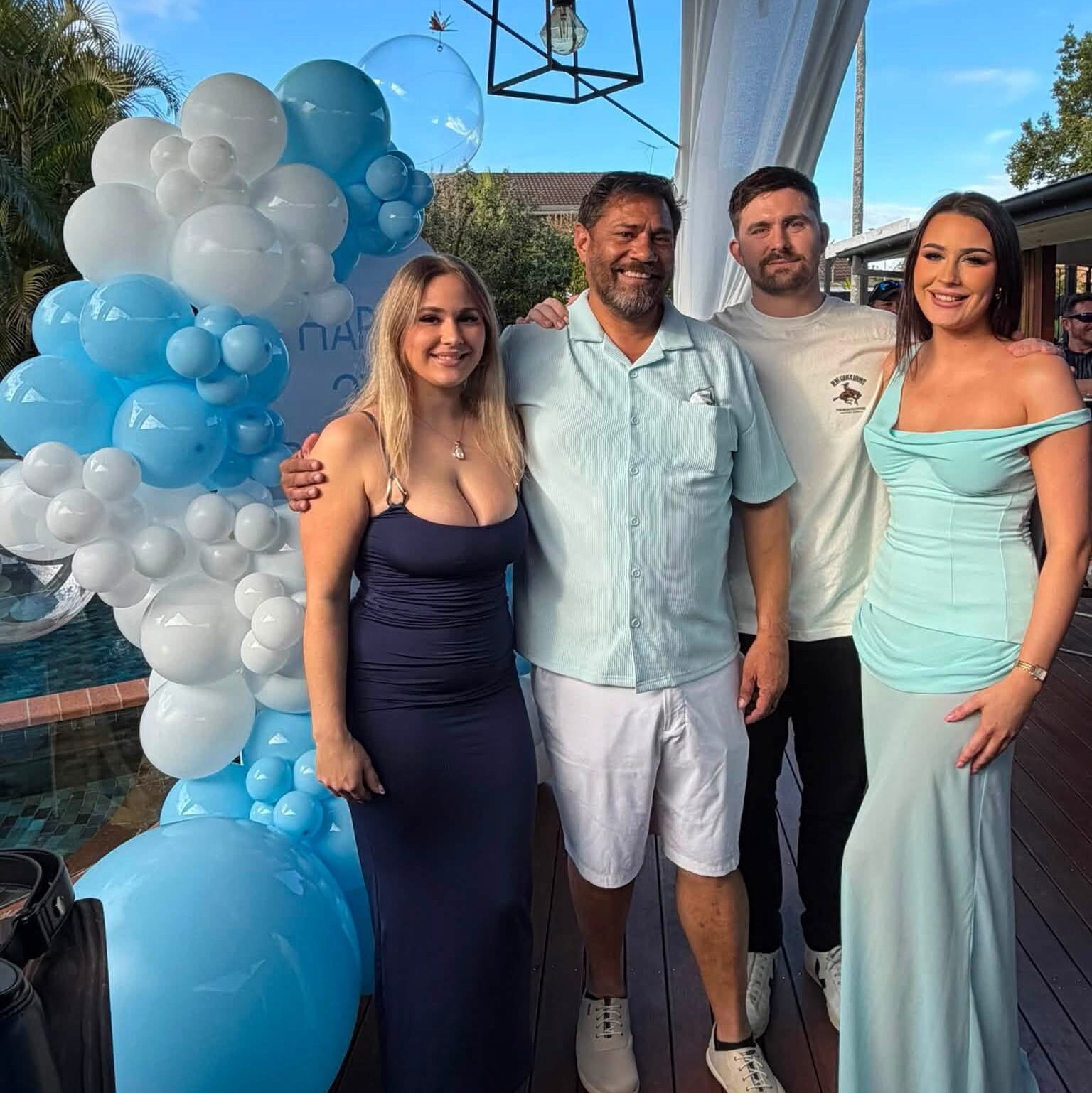
Today, Michel is still working, travelling and celebrating life’s milestones with his daughters, his partner Leanne, and stepson Valon.
At the heart of that commitment are hopes that many people will recognise: being there for family, sharing everyday life and having a future to look forward to.
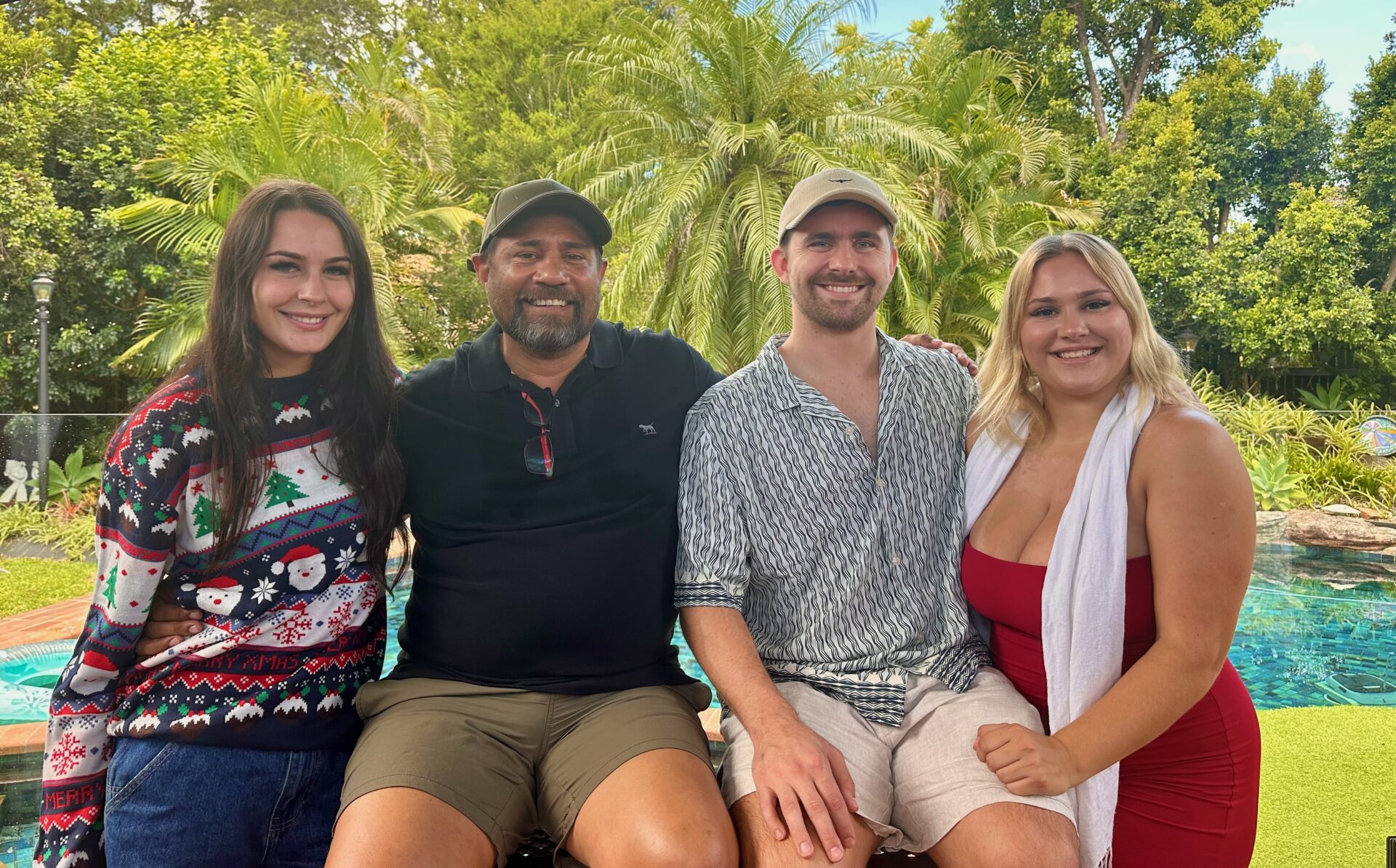
This Christmas, you can help Wesley Research Institute continue cancer research with the hope of giving more families, like Michel’s, more Christmases. More time.