
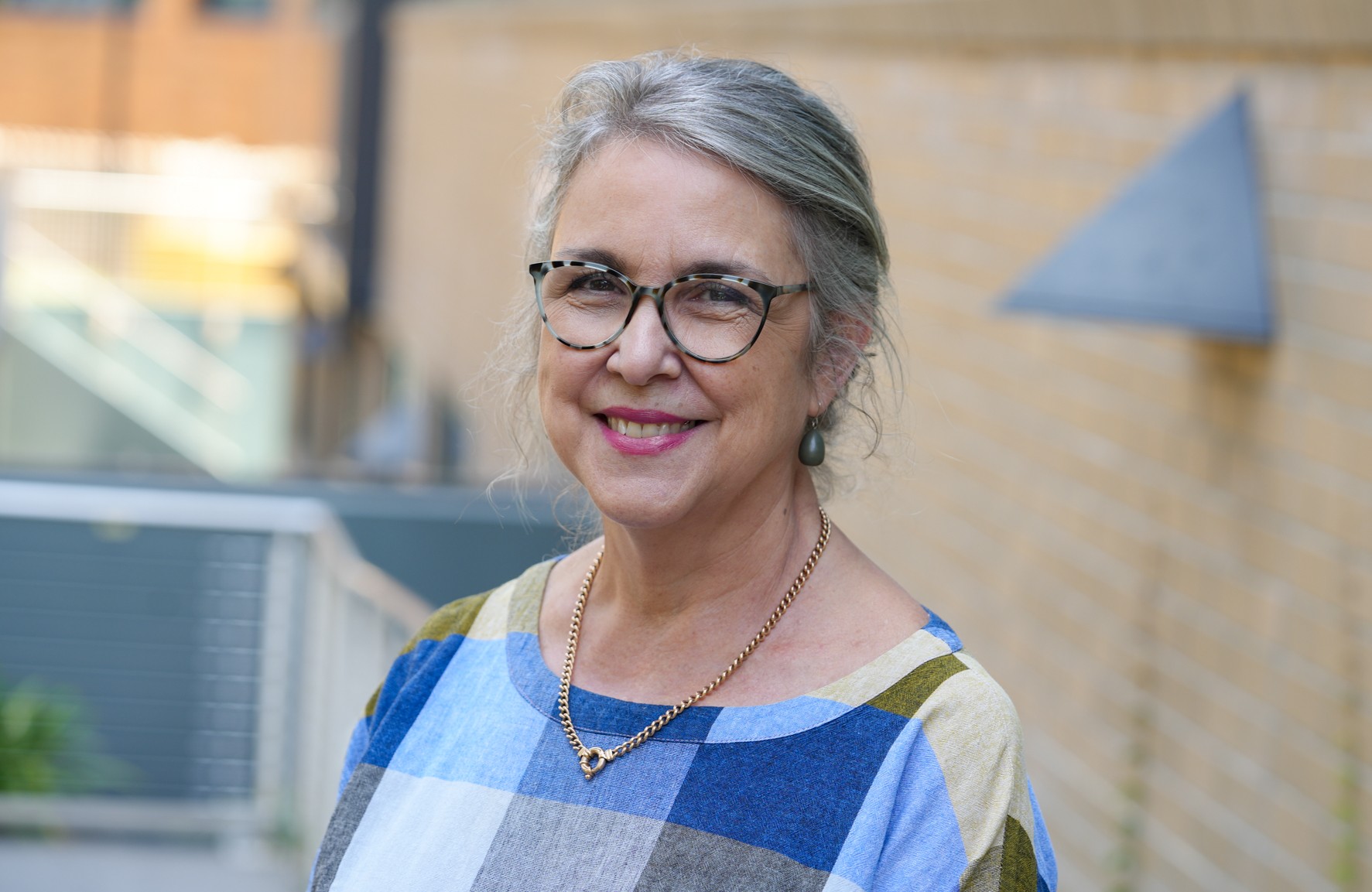
When Anne Tremellen joined Wesley Research Institute in 2021, it was during one of the most challenging periods for healthcare — the height of the COVID‑19 pandemic. Stepping into the role of Clinical Trials Centre Manager, Anne brought leadership, adaptability and a deep commitment to advancing patient‑centred research.
Today, Anne leads a team of more than 15 clinical trial staff, overseeing the Clinical Trials Centre and its diverse range of studies. The centre supports patient participation in national and international Phase I–IV clinical trials, evaluating new therapies, medications and devices across a wide range of conditions, including neurological disorders, coeliac disease, cardiovascular conditions, rare diseases and cancer.
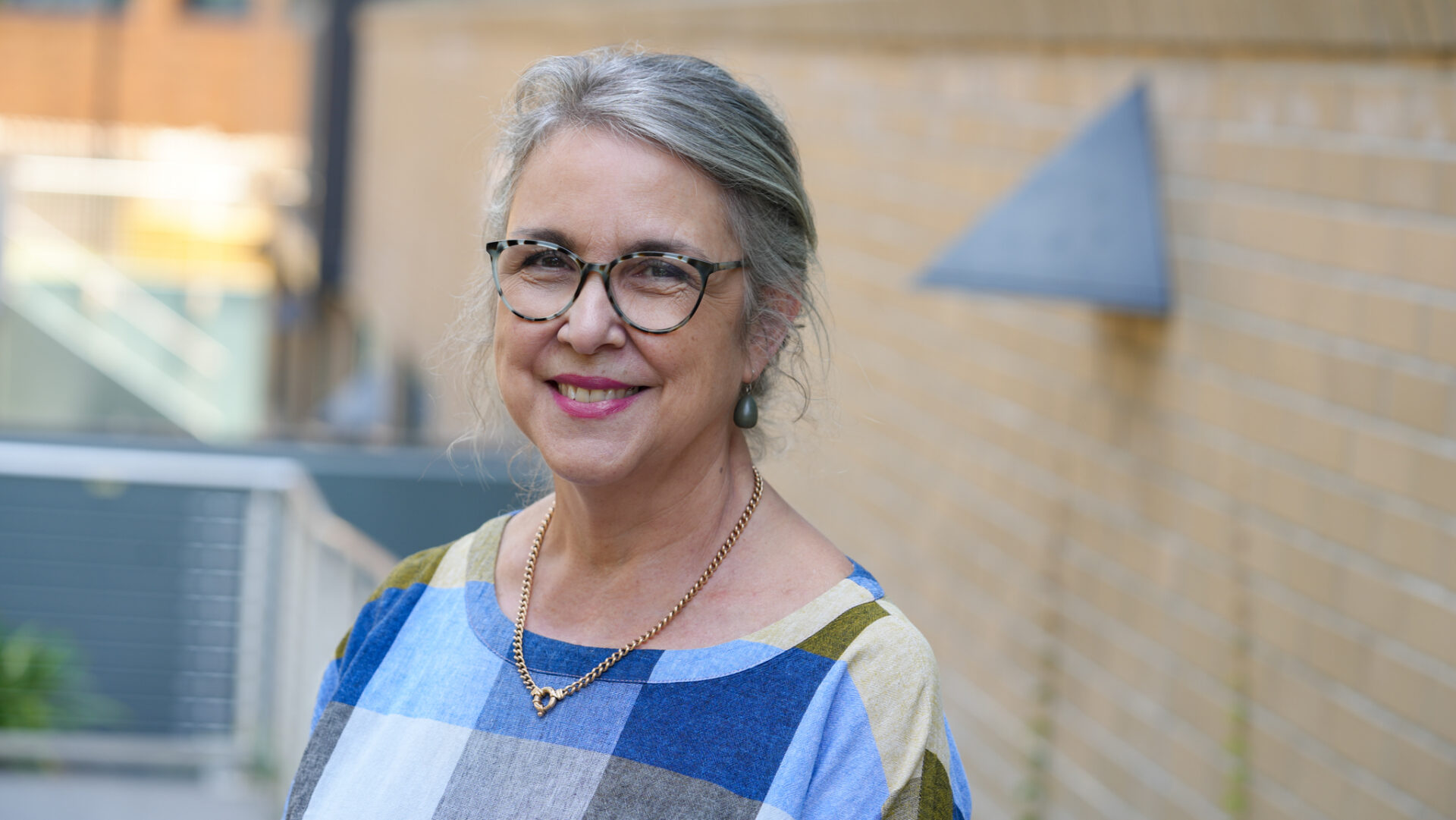
Under Anne’s leadership, the Clinical Trials Centre operates across four hospitals — The Wesley Hospital, St Andrew’s War Memorial Hospital, Buderim Private Hospital, and St Stephen’s Hospital in Hervey Bay — helping translate clinical trial discoveries into everyday clinical practice and improving outcomes for participants across Queensland.
We caught up with Anne to talk about how she found her way into clinical trials and to reflect on her decades‑long career in nursing.
Can you tell me about your professional background and what led you into clinical research?
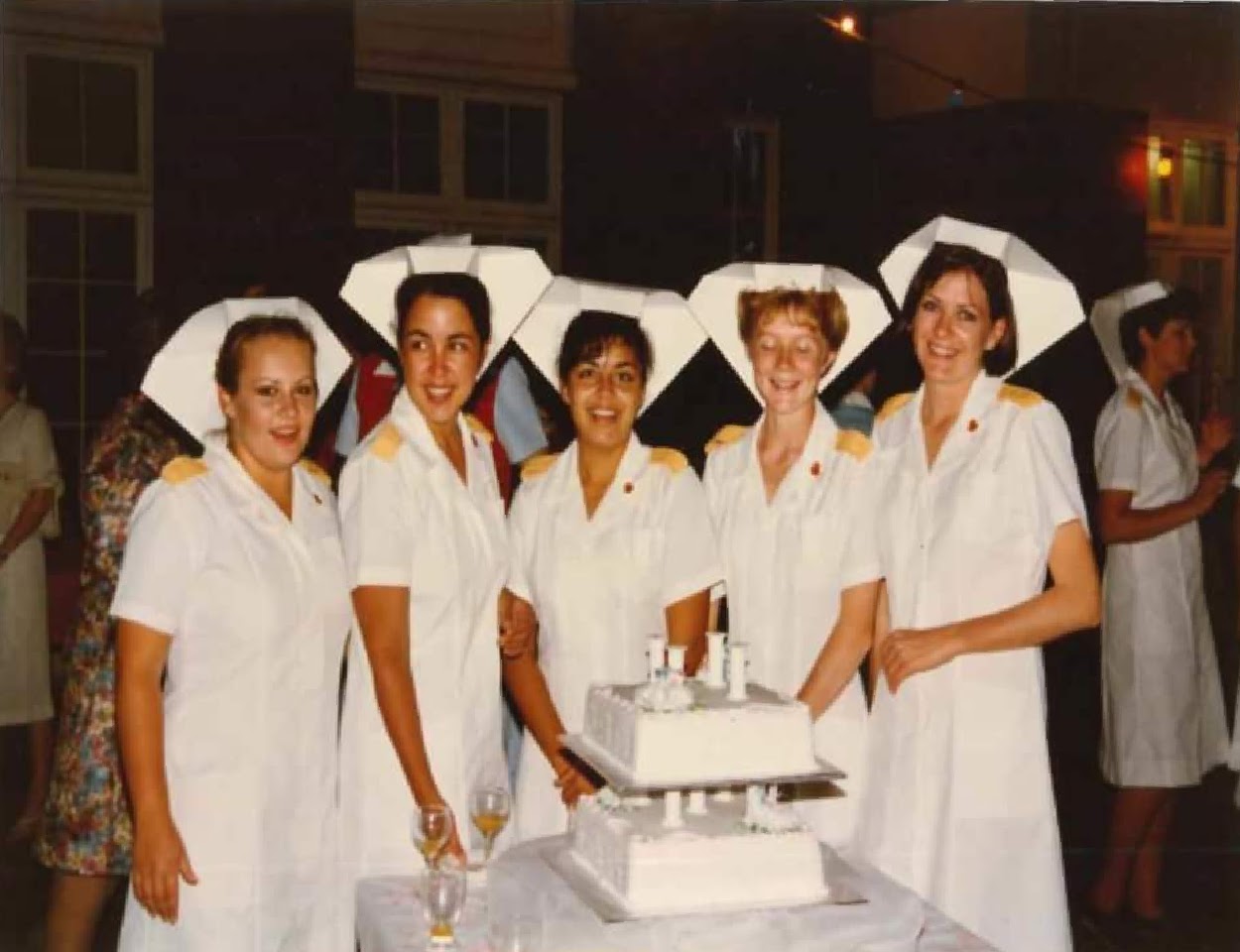
I completed my General Nursing training at the Royal Brisbane Hospital and went on to undertake Midwifery training at the Mater Mothers’ Hospital. Throughout my career, I have continued to build on my clinical expertise with additional certifications in Intensive Care Nursery and Clinical Trials Research. I also completed a Graduate Certificate in Clinical Trials through the University of Sydney, along with various hospital-based management programs to support my leadership development.
I began working in the Intensive Care Nursery at the Mater Mothers’ Hospital, one of the largest neonatal units of its kind in Australia. In that environment, involvement in clinical research was an integral part of everyday practice. We were encouraged to be curious and have a strong commitment to advancing care through participating in Clinical Trials – an exercise that sparked my interest early on.
What initially sparked your interest in clinical trials?
While working in NICU, I was approached to join a dedicated research team investigating how varying levels of blood glucose in pregnancy affect maternal and neonatal outcomes. The HAPO (Hyperglycaemia and Adverse Pregnancy Outcome) study was a large international trial, and as part of a small team of three midwives, we recruited over 1,500 women throughout their pregnancy over a 4-year period.
This experience provided valuable insight into the role of research in improving clinical care. The results of the study were later published in the New England Journal of Medicine, where I was acknowledged for my contribution, and the publication has since been cited over 4,500 times, highlighting its lasting impact.
How would you describe your role as a Clinical Trial Manager to someone outside the industry?
My role is managing people and relationships. It involves bringing together clinicians, researchers, and our clinical trials support team to ensure clinical trials run smoothly, while building strong partnerships that enable ongoing success.
Managing a clinical trials team often means responding to whatever the day brings. Whether it’s addressing operational issues, supporting staff, or navigating competing priorities, no two days are the same.
Who were the mentors or influences that shaped your career path?
I’ve been fortunate to work with a range of multidisciplinary teams, including clinicians, epidemiologists, allied health professionals and researchers. Their collective expertise and commitment to improving patient outcomes inspired me to focus on strengthening support services within clinical trials.
How has your role evolved since you first entered the field?
I started my career as a clinical trials nurse and gradually progressed through roles as a coordinator and into management. Looking back, that progression has been shaped by a growing appreciation for what a strong clinical trials infrastructure can achieve. My experience establishing and growing a Clinical Trials Centre highlighted the impact that well‑designed systems and strong teams can have on successful clinical research. I’ve carried these learnings into my role at Wesley Research Institute, where I now support the development of similar clinical trial capabilities to advance patient‑focused research.
What are some common misconceptions people have about clinical trials?
A common misconception is that only pharmaceutical companies benefit from clinical trials. In reality they play an important role in giving people access to new therapies and offer hope to participants and their families, particularly when existing treatment options are limited.
Tell us about your team.
I’m fortunate to work with a wonderful group of dedicated staff, including start-up specialists, clinical trials coordinators and clinical research assistants. Each role plays an important part, and together they bring a wide range of skills and unique talents.
It’s important to me that people feel valued and comfortable contributing, and that they know their work makes a real difference. I appreciate my whole team and the work they do.
It’s essential for our team to be flexible, reliable and to have a good sense of humour. Clinical trials can be unpredictable, so a team that can adapt, support one another and stay positive makes a real difference.
I hope to highlight the importance of investing in specialist, dedicated clinical trial teams. In my experience, building strong, skilled teams not only improves the quality of research but is also more cost-effective and efficient in the long term, ultimately benefiting both participants and research organisations.
What advice would you give to someone considering a career in clinical trial management?
I would say it’s a great opportunity to make a real difference, both now and into the future. You’re supporting participants in the present while also contributing to research that will shape care for years to come. It’s also a field that offers real opportunities to grow and support the development of other clinicians into meaningful and rewarding careers.
I also think it is important to remember the value of kindness. Clinical trials can be complex and challenging for both participants and staff, and simple acts of empathy, patience, and compassion can have a huge impact. Being kind to participants, colleagues, and yourself goes a long way in building strong teams and creating a positive experience for everyone involved.
If you are interested in our Clinical Trial Centre at Wesley Research Institute, visit https://www.wesleyresearch.org.au/clinical-trials/