Rare Diseases
Ataxia-Telangiectasia (AT) Study
Ataxia-Telangiectasia (A-T) is a rare genetic disorder with an incidence of approximately three in one million births. Patients with A-T often end up in a wheelchair by the age of ten and have a life expectancy of 25 years. Approximately 40 children in Australia currently have A-T.
Research Objectives
Status
Recruitment
Patient Group
Study location
Phase
Study type
Lead investigator
- Prof David Coman
Clinical trial coordinator
- Sarah Harriman
Technical title
A Phase 2A/2B placebo-controlled randomised clinical trial to test the ability of triheptanoin to protect primary airway epithelial cells obtained from patients with ataxia-telangiectasia against death induced by glucose deprivation.
About this research project
This genetic disorder leads to ataxia; the inability to walk, talk and use fine motor skills because of the neurological impairment. A-T patients also suffer from cystic-fibrosis-like lung disease due to immunodeficiency as well as cancer accounting for a high death rate.
The symptoms of A-T are described as the ‘worst parts’ of cerebral palsy, cystic fibrosis and muscular dystrophy with a high risk of cancer and lung disease. There is unfortunately no effective therapy for this illness.
This study will investigate the use of Triheptanoin, a dietary fat supplement which has the potential to boost energy metabolism and significantly improve neurological symptoms. This trial has given families of patients the hope that they are able to have their children for longer by slowing down the progression of the disease.
Latest News

Webinar- Coeliac Disease: Rethinking Gluten Thresholds
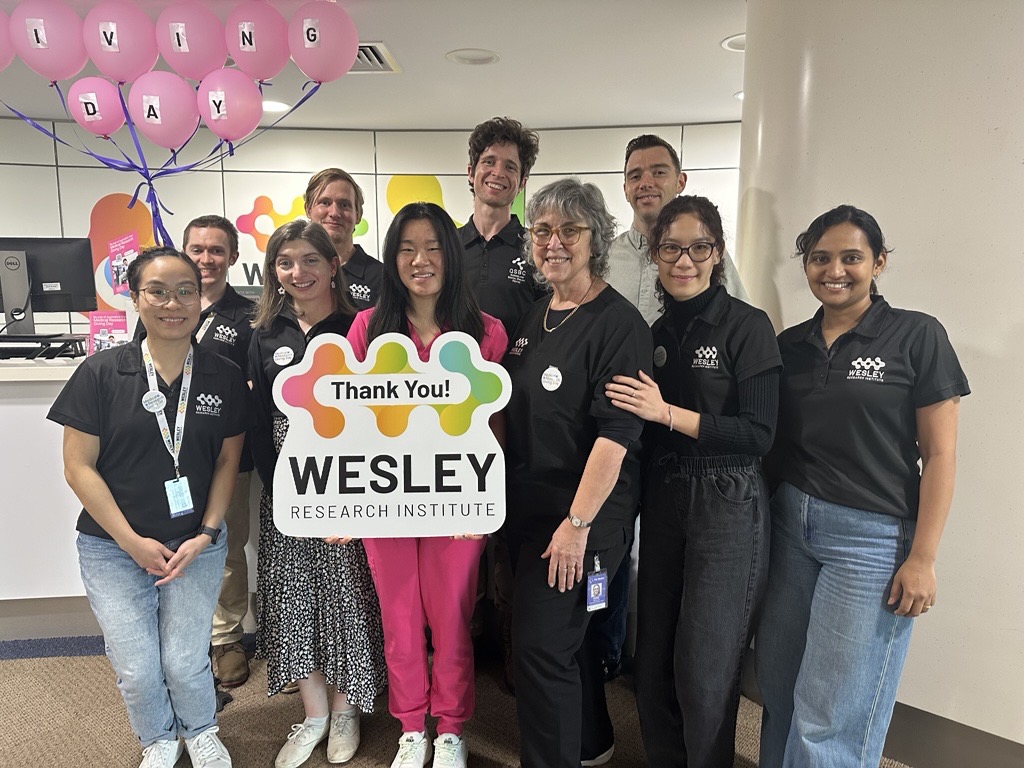
Australia’s First Medical Research Giving Day Raises More Than $1.5 million!