
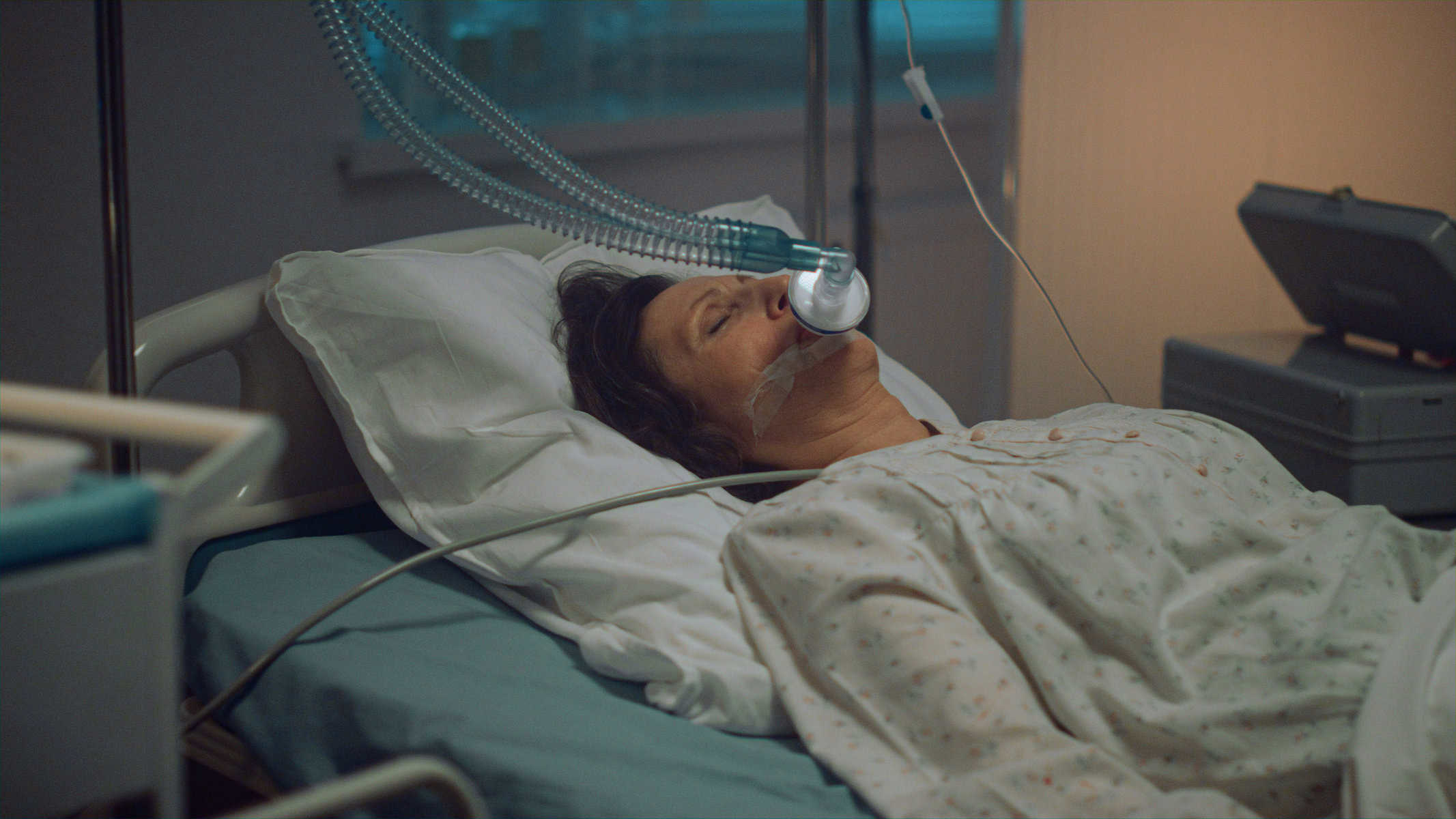
A team of Queensland researchers is revolutionising the fight against a devastating lung condition that affects up to five million people globally each year.
Funded by Wesley Research Institute, the project brings together leading intensive care specialists to tackle Acute Respiratory Distress Syndrome (ARDS), a condition that claims up to 50 per cent of its victims.
Often triggered by severe pneumonia, which in Australia alone causes thousands of intensive care admissions and hundreds of deaths each year, ARDS can also follow serious trauma or widespread infection. Patients rapidly develop breathing difficulties, confusion from low oxygen and bluish skin, needing intensive care and mechanical ventilation as both lungs become severely injured and unable to exchange oxygen.
Despite decades of research, no specific cure exists, leaving survivors to face long-term struggles like muscle weakness, cognitive decline and reduced quality of life.
This persistent challenge has driven a groundbreaking new approach. The pioneering research launches the first human study to explore a previously overlooked mechanism that may explain how lung injury spreads in ARDS, offering fresh hope for better outcomes.
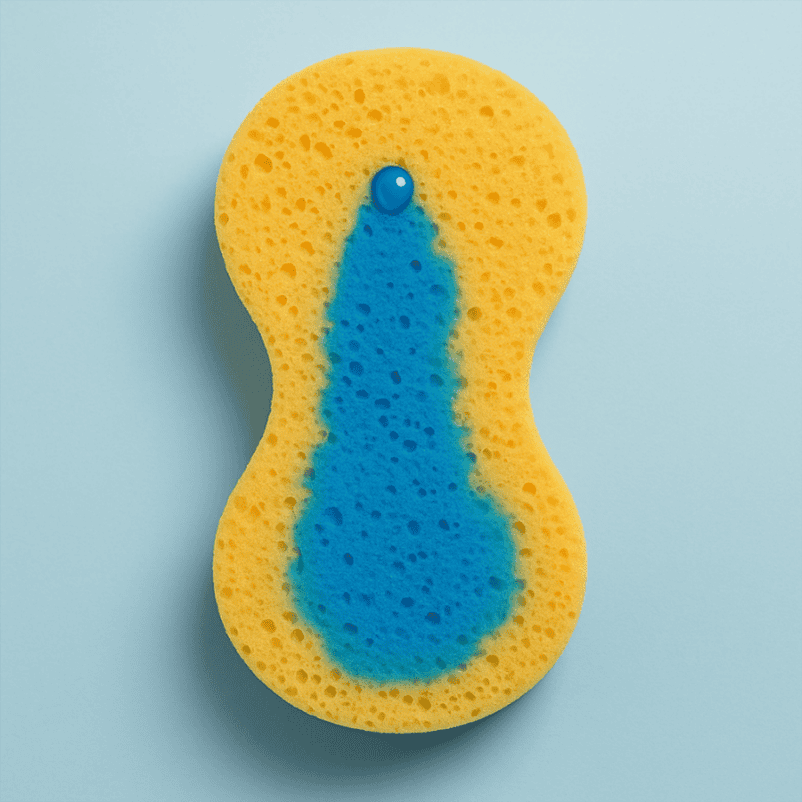
Known as Biofluid-Induced Lung Injury (BILI), the mechanism works like a drop of dye spreading through a sponge. Once inflammatory fluid floods one region of the lung, it seeps through tiny channels and damages previously healthy areas.
This pilot study will collect blood and lung fluid samples from ARDS patients within 48 hours of diagnosis using minimally invasive techniques. By analysing how this fluid affects immune cells, the team aims to validate the mechanism and identify new ways to contain the injury.
This study is a vital next step to understand how ARDS progresses and find ways to improve patient outcomes
Associate Professor Jeremy Cohen, lead researcher and Director of Intensive Care at The Wesley Hospital.
The investigators expect to complete the pilot around mid-2027, with results submitted to a leading medical journal.
This positions Brisbane at the forefront of ARDS innovation, addressing a critical gap with a promising new research direction
Queensland Spatial Biology Centre (QSBC) Clinical Director Professor John Fraser AO
Potential outcomes include simple bedside changes, such as optimised patient positioning or ventilation techniques to limit the movement of inflammatory fluid, along with the discovery of new drug targets to halt the spread of lung injury.
Other researchers involved in the project include Intensive Care Specialist Associate Professor Gianluigi Li Bassi, who has over 200 publications in respiratory critical care, Dr Francesco Baccoli, a Visiting Research Fellow from Italy and junior investigator driving this work, Associate Professor Arutha Kulasinghe who will oversee analysis at Wesley Research Institute’s Queensland Spatial Biology Centre, and Professor Gabrielle Belz from the University of Queensland, who will lead flow cytometry analysis of immune cells.
This study is supported by Wesley Research Institute’s 2025 research grant rounds, which focused on supporting health care professionals across the UnitingCare Queensland network of hospitals to pursue impactful clinical research.
We have been saddened by the loss of former Nationals Senator Ron Boswell AO, who passed away in early 2026.
As one of his final acts of public service, Mr Boswell told his personal story of battling ARDS to The Courier Mail.
Learn more about his story in this article or in the Courier Mail feature.