
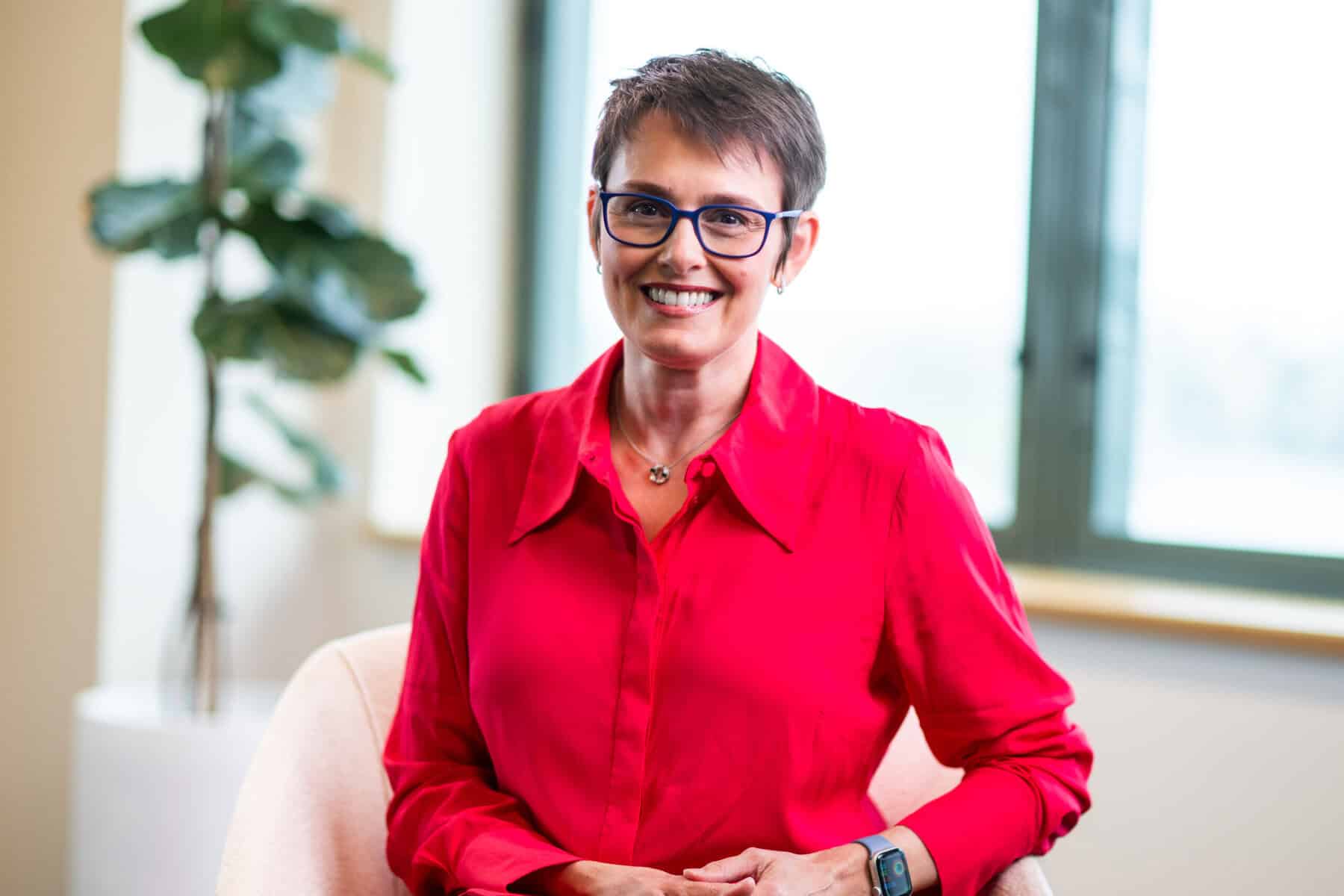
Dr Alex Markwell’s coeliac disease journey began later in life, well after establishing herself as a respected emergency physician in Brisbane. For decades, she cared for patients on the frontline at the Royal Brisbane and Women’s Hospital, mentoring countless junior doctors along the way.
Her dedication extends far beyond the emergency department. Alex supports rural and remote communities through Virtual Emergency Care Service, serves as an Independent Director on the Gold Coast Health Board, and sits on the board of MND and Me, advocating for people living with motor neurone disease.
What drives her is simple: better diagnostics, better treatments, and better outcomes for real people. Whether in a boardroom or a clinic, she’s guided by a belief in the power of research and medicine to change lives.
Despite her medical expertise, Alex wasn’t expecting a diagnosis that would profoundly affect her own health and her family’s.
Read on or watch below.
A family’s path to diagnosis
In 2022, Alex’s youngest daughter Margot – just six years old – was diagnosed with coeliac disease, a condition Alex knew little about. Looking back, the signs were there: her daughter looked unusually pale, hadn’t grown much that year, and often complained of stomach pain. By the time she was diagnosed, she was anaemic, profoundly iron-deficient, and experiencing major malabsorption. Blood tests and an endoscopy confirmed the diagnosis, and the family suddenly had a steep learning curve as they adapted to a strict gluten-free lifestyle. Margot was referred to Dr Richard Muir, a paediatric gastroenterologist at The Wesley Hospital, whom Alex acknowledges as playing a key role in supporting Margot through this new phase of her health journey.
As a family, we tried to get our heads around how to do gluten-free for her and what would be gluten-free for us. We struggled with that initially, trying to work out how we could navigate food for her. She was a very, very selective eater.
Alex
Alex was surprised by how much she didn’t know – from avoiding hidden gluten in unexpected foods to understanding the risks behind “may contain gluten” labels and cross-contamination. Navigating a strict gluten-free lifestyle with a selective eater made the transition even harder. The diagnosis reshaped the entire family’s approach to food, health, and daily routines.
And there was more to come: a year later, Alex received a coeliac diagnosis of her own.
From doctor to patient
“I’m sure many people have a similar experience. You have a funny, upset tummy. I have had that since childhood, but I hadn’t really pursued it, just managed it, worked around it.”
In 2023, at 45, Alex started her own coeliac disease journey. After Margot’s diagnosis the year before, the whole family had shifted toward a gluten-free lifestyle. In hindsight, that well‑intentioned decision complicated things; by the time Alex underwent screening as a first‑degree relative, she had already been eating mostly gluten‑free for weeks, making the initial test results unreliable.
Seeking a cause for unexplained anaemia, Alex underwent further testing. Given her age, she was concerned about ruling out colorectal cancer, a frightening possibility; however, further blood tests and endoscopy and colonoscopy eventually revealed the real cause: coeliac disease.
In the lead-up to her diagnostic endoscopy, Alex deliberately reintroduced large amounts of gluten to help ensure the test would be definitive.
“I gorged myself on gluten, which was very uncomfortable after being largely gluten-free for so long, and I became quite symptomatic. I was trying to generate as much epithelial damage as possible. I didn’t want to have to re-do any testing. I just wanted confirmation one way or the other,” says Alex.
Her diagnosis, though late, brought clarity and a new understanding of how complex and misunderstood coeliac disease can be, and the importance of screening for first-degree relatives.
Adjusting to a gluten-free diet
For Alex, the hardest part of her own coeliac diagnosis wasn’t giving up gluten; it was trying to rebuild her nutrition. She struggled to eat enough protein and restore the vitamins and minerals she’d become deficient in. Even simple things like choosing supplements required extra care because many contain hidden gluten.
Specialist Coeliac Disease Dietitian Paula MacDermott helped Alex find an approach that worked for her body and slowly brought her back to baseline. It wasn’t a quick fix, but it gave her the tools to support her health, not just her diet.
For Alex’s daughter, the hardest part of coeliac disease came after her diagnosis. With a constantly sore tummy, she struggled to tolerate oral iron supplements, and the few that were gluten-free often tasted awful. Eating became a battle, and her iron levels continued to fall. Eventually, the family made the difficult decision to proceed with an iron infusion, not usually a first‑line option for children, but an important part of her recovery.
Only then did we realise how unwell she had been; once her iron levels improved, she started skipping, running and keeping up in swimming lessons again, things she had quietly stopped doing.
Alex
Adjusting to a gluten‑free life brought its own challenges. Finding palatable gluten‑free cereals, safe places to eat, or cafés with dedicated gluten‑free food preparation equipment became a constant search. Even with Alex’s medical background and her husband Anthony’s pharmacy knowledge, the level of care required to avoid cross-contamination, prepare meals and check every label was exhausting at times. Their extended family also had to learn what “gluten‑free” really meant, which was a big shift for everyone.
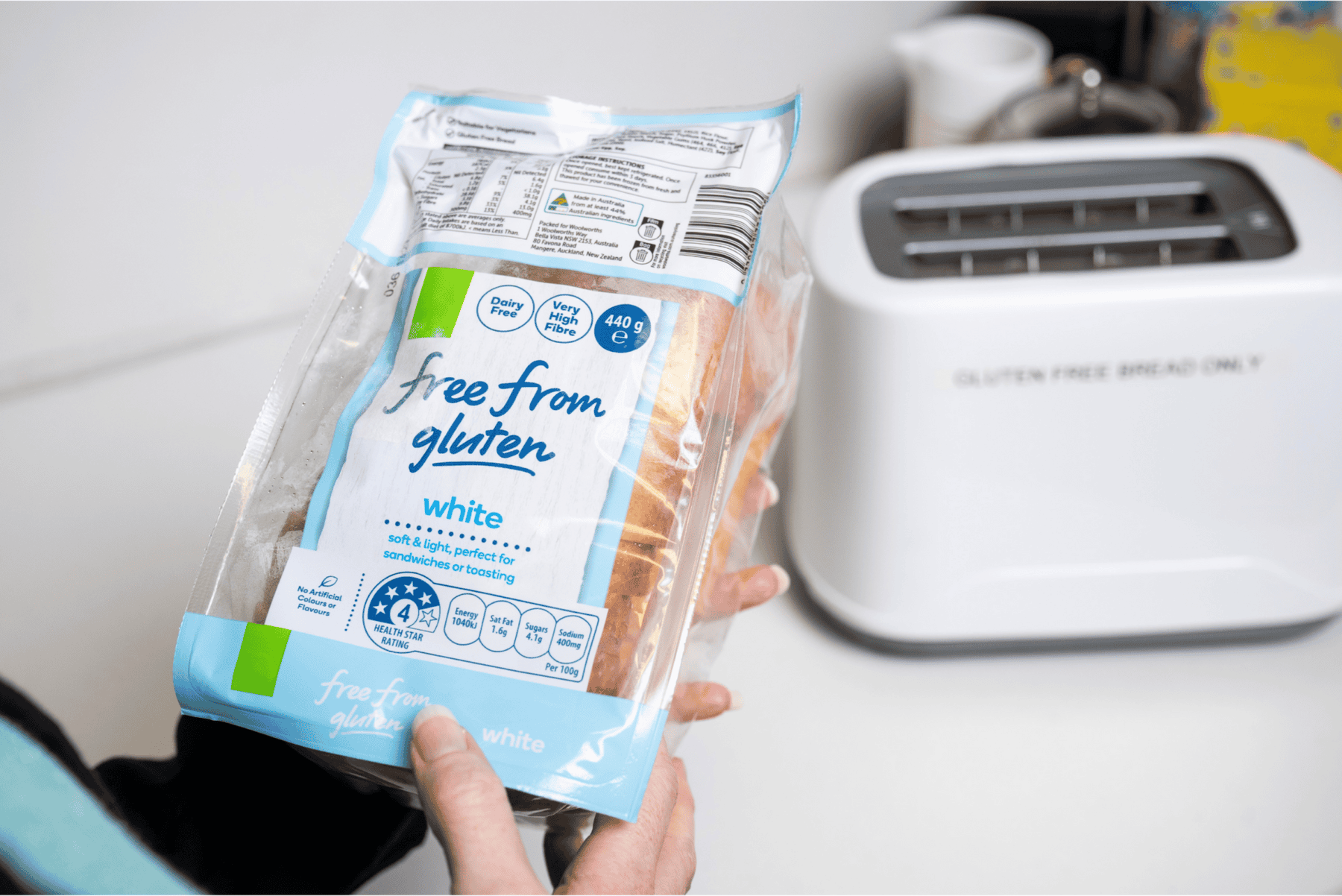
Coeliac contacts became a lifeline. Other parents and friends shared tips, recipes, restaurant recommendations and the simple reassurance that they weren’t alone. Online communities were helpful for recommendations when travelling and when new products became available. Even something as basic as recommending a gluten‑free bread that a child might actually eat made a difference. But the cost was significant; gluten‑free groceries were expensive, and with a selective eater, much of it went untouched.
As Margot grew older, new challenges emerged. Sleepovers, birthday parties and school camps now require careful planning, pre-packed meals, and constant vigilance. No one else in her year level has been diagnosed, and Alex is all too aware of the importance of ensuring her daughter feels included and is able to fully participate, whilst ensuring she remains safe.
“We’re very, very diligent with her. And, if she can’t read the ingredients, she won’t risk eating the food,” says Alex.
The dietary challenges extend beyond Australia.
“Travelling with coeliac disease is challenging. Travelling with a child who has coeliac disease and is a selective eater is even harder,” says Alex.
Simple things like eating on a plane become stressful, especially when kids’ menus rarely offer gluten‑free options. The family often packs their own bread and rolls just to get through the trip. Choosing destinations now depends on whether safe food is available, and Alex will even pick hotels based on their gluten‑free menus to avoid searching unfamiliar cities for something they can both eat.
“We’ve realised there are destinations that will always be challenging. For us, that’s now a big part of planning any trip. Some locations just aren’t going to be feasible,” Alex explains.
Finding a new normal
Over time, Alex’s family has settled into a routine that makes life with coeliac disease feel a little more manageable. Each year, they notice more gluten‑free options appearing, even on simple beach holidays to places like Mooloolaba, where the number of safe cafés and restaurants has noticeably doubled. What once felt overwhelming now feels possible, thanks to growing awareness and small but meaningful things like dedicated gluten‑free fryers. To others, it might sound extreme, but to Alex and her family, it means enjoying eating out together without worrying.
They’ve built a network of reliable local spots that understand their needs, and that familiarity has taken away much of the early stress. Before that, every outing required planning, research and a fair bit of anxiety. New restaurants and apps help, but the mental load of trying somewhere unfamiliar is still significant, which is why they often return to the places they trust.
In the past year, Alex has noticed a real shift: more restaurants and hotels not only offer gluten‑free meals but also understand how to communicate clearly about shared kitchens and cross‑contamination. It doesn’t erase every worry, but it has made daily life and even the occasional meal out far less overwhelming and stressful than it once was. Still, the challenges haven’t disappeared, and Alex continues to push for progress in research and coeliac care, determined to make the path easier for families like hers.
Misconceptions of coeliac disease
Misconceptions only make things harder. Many people still think coeliac disease is just an intolerance or a fad, not an auto-immune condition with serious long‑term consequences.
Alex
She’s heard everything claims that gluten “burns off” in a fryer or a pizza oven, or that being “mostly gluten‑free” is good enough. She wishes everyone understood it’s not a dietary preference; there can be serious long-term consequences to eating gluten: osteoporosis, iron‑deficiency, and even increased cancer risk.
“Whenever someone mentions symptoms or wonders whether they might have coeliac disease, I gently raise the idea of proper testing. Because without a formal diagnosis, people often drift into being ‘mostly gluten‑free’ never realising that even small exposures can cause harm”, says Alex.
She knows from her own experience and from stories of others diagnosed late in life just how long coeliac disease can hide in plain sight.
Coeliac disease research
For Alex, medical research offers the exciting possibility of new pathways to diagnosis and innovative treatments beyond the gluten‑free diet.
Adjunct treatment options are really, really important. Whether that’s because people haven’t responded to the gluten-free diet and have resistant disease, or because the reality of having a strictly gluten-free diet is pretty hard. Where there are other options, I think that that is amazing.
Alex
The coeliac research happening in Queensland, led by Dr James Daveson at Wesley Research Institute, is something she’s really excited about. Knowing it’s happening close to home gives her real hope, and hearing about the team’s work, from research determining the minimum threshold of gluten that elicits an immune response, to trialling new treatments, has only strengthened her belief in the importance of research.
But Alex knows how fragile progress can be. Medical research takes time, stability and significant investment, and the thought of it slowing down because funding gaps genuinely worries her. Without strong infrastructure and ongoing support, new treatments and better diagnostic tools simply won’t emerge.
Although any advances in coeliac disease care, may or may not be relevant for me personally, I really hope that they are for my daughter and for any of her children, because they’ll potentially carry that gene as well. That was a strong motivator for supporting and donating to medical research.
Alex
Alex believes every contribution matters. People often underestimate the power of small donations, but she’s seen how a few dollars given regularly, especially when many people do it, can transform an organisation’s ability to keep going. For her, supporting research isn’t just about science; it’s about giving families like hers a better future, one discovery at a time.
A relatively small contribution from an individual is impactful, but if many people are doing it, then that is a really significant opportunity as well. So, I think if you’re in a position where you can support, it all counts, every little bit helps.
Alex
Without research, nothing changes. Your support today can pave the way for better answers and treatment options for people living with coeliac disease.