
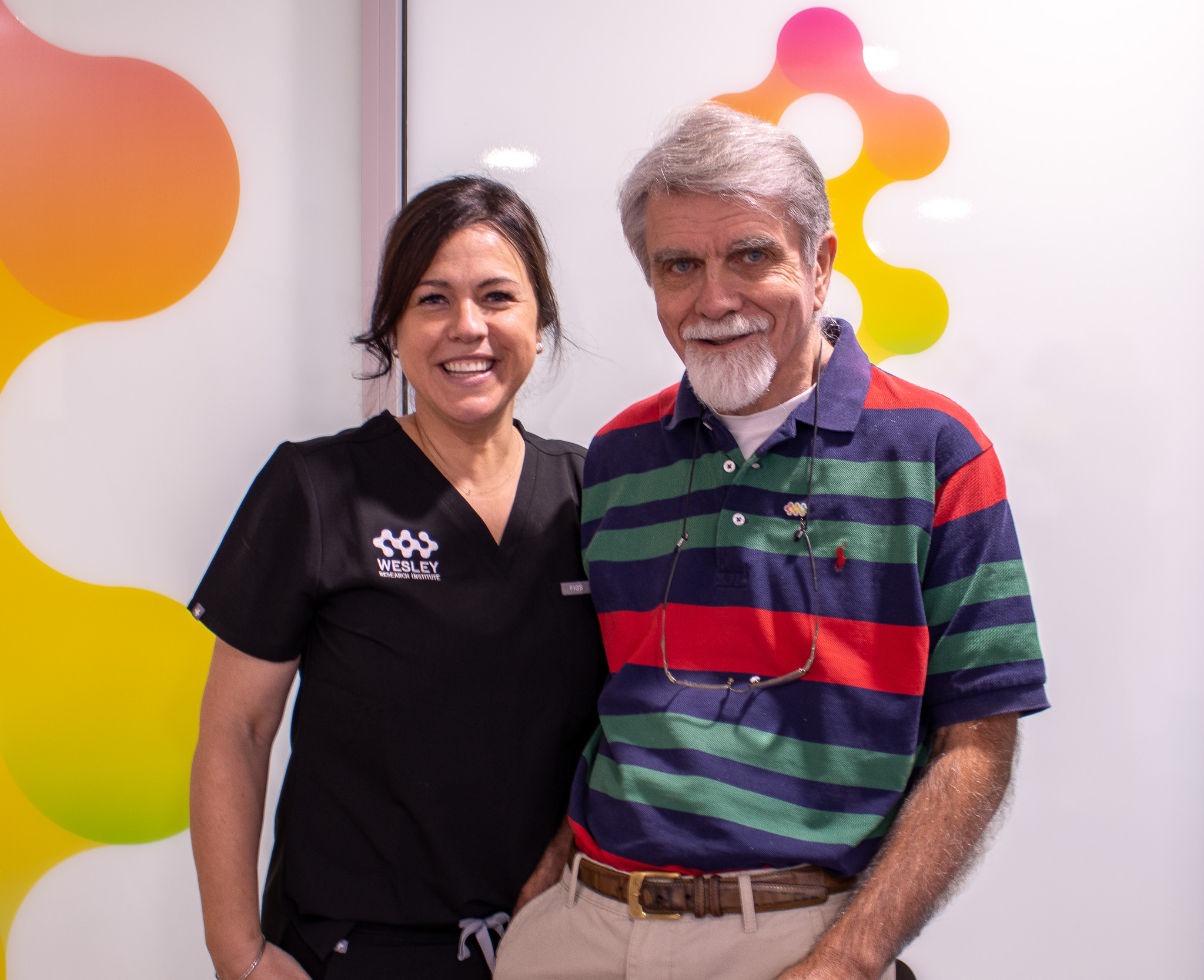
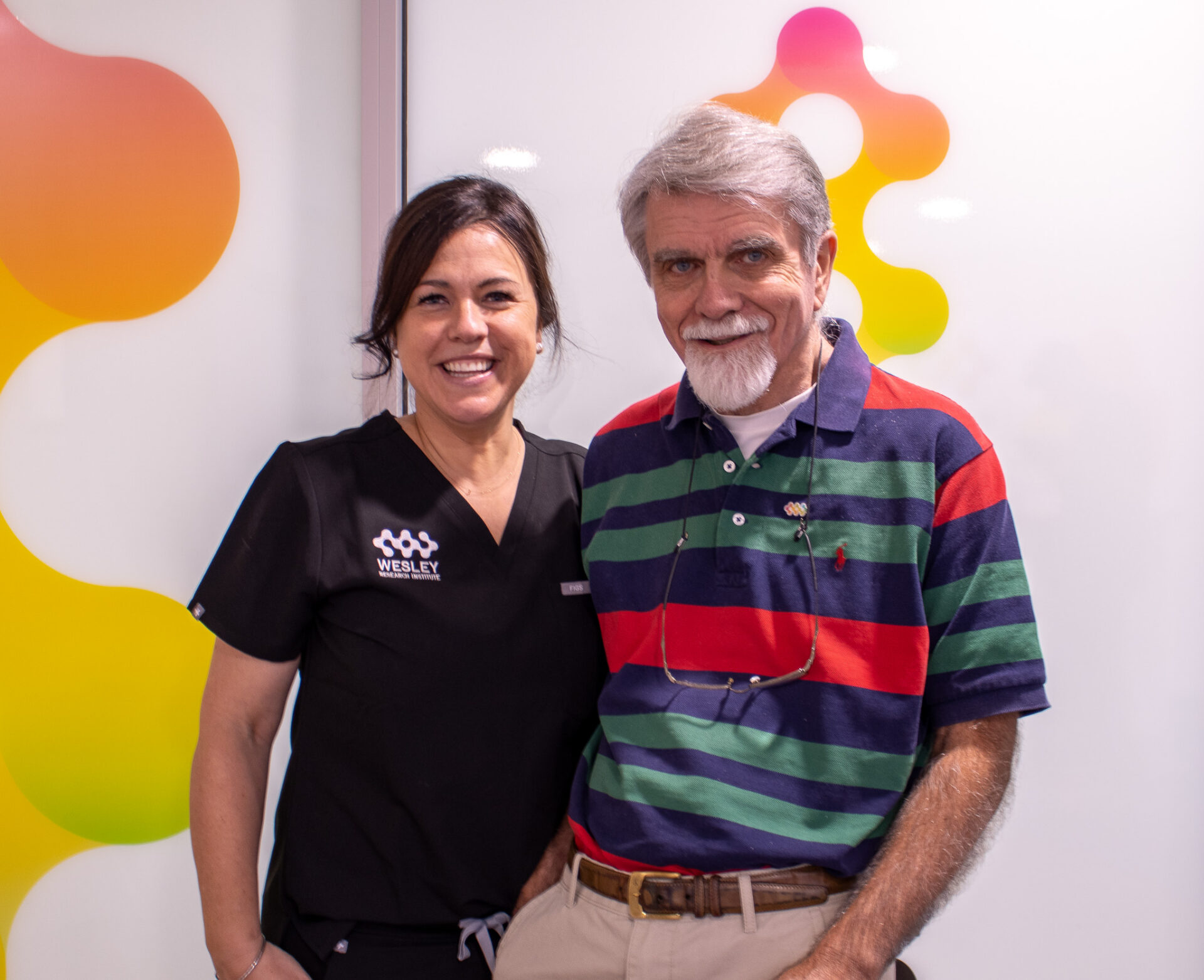
Some patient stories stay with you, not because of the diagnosis, but because of the person. Wayne is one of those people.
Wayne’s journey began 8 years earlier when Dr Robert Henderson, a neurologist at the Wesley Hospital with a deep commitment to neuromuscular clinical trials, diagnosed him with late‑onset Pompe disease. Dr Henderson recognised immediately that Wayne wasn’t just a candidate for research; he was someone who could genuinely benefit from emerging therapies. He applied for Wayne’s participation, and in 2018, Wayne was officially enrolled in his first clinical trial.
That decision changed the trajectory of his life.
The study Wayne joined aimed to evaluate a new investigational treatment against the existing standard therapy for late‑onset Pompe disease. For patients like Wayne, it represented more than science; it represented hope.
Clinical Nurse Jacqui Langton remembers the day she first met him. She was taking baseline measurements as Wayne settled in for one of his early infusions. He was calm, curious, and quietly determined. Even then, she sensed he was someone who would meet the challenges of the trial with grit and humour.
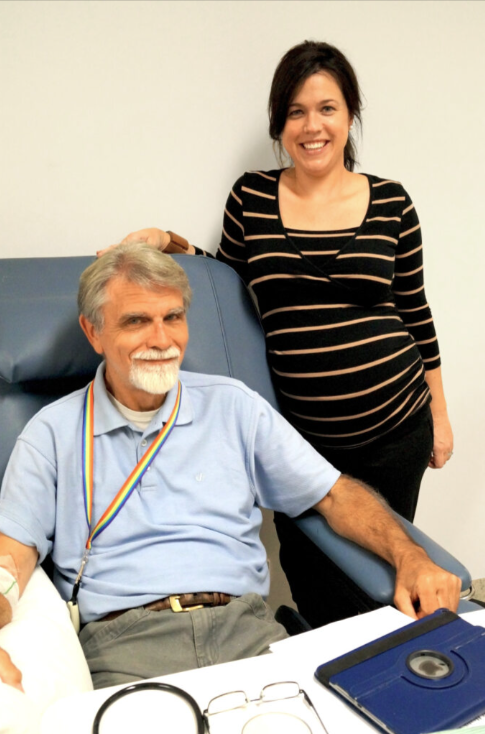
Later that year, Wayne joined a global medical trial, hosted locally by Wesley Research Institute. “I was the only Australian to take part in the trial,” he recalls. It was a big step, but one he took with characteristic optimism.
And the results were extraordinary.
It’s no exaggeration to say that the treatment for Pompe Disease saved my life. In practice, the eight‑plus years since my diagnosis have been remarkably stable. This has allowed me to go about gardening and volunteering.
Wayne
For someone living with a progressive neuromuscular condition, “normal pursuits” are anything but ordinary.
The treatment for Pompe, halted years of accelerating decline and added far richer ones.
Wayne
Throughout this journey, Jacqui remained a steady presence. She checked in during his visits, supported him through the demanding rhythm of trial participation, and celebrated each milestone, large or small. Their relationship grew from clinical necessity into something more meaningful over the past 8 years: a partnership built on trust, consistency, and shared purpose.
For Jacqui, Wayne’s story is a reminder of why she does this work. Clinical trials are complex, emotional, and often uncertain but they are also deeply human. They create connections. They change lives. And sometimes, they give patients like Wayne the chance to reclaim years they feared were slipping away.
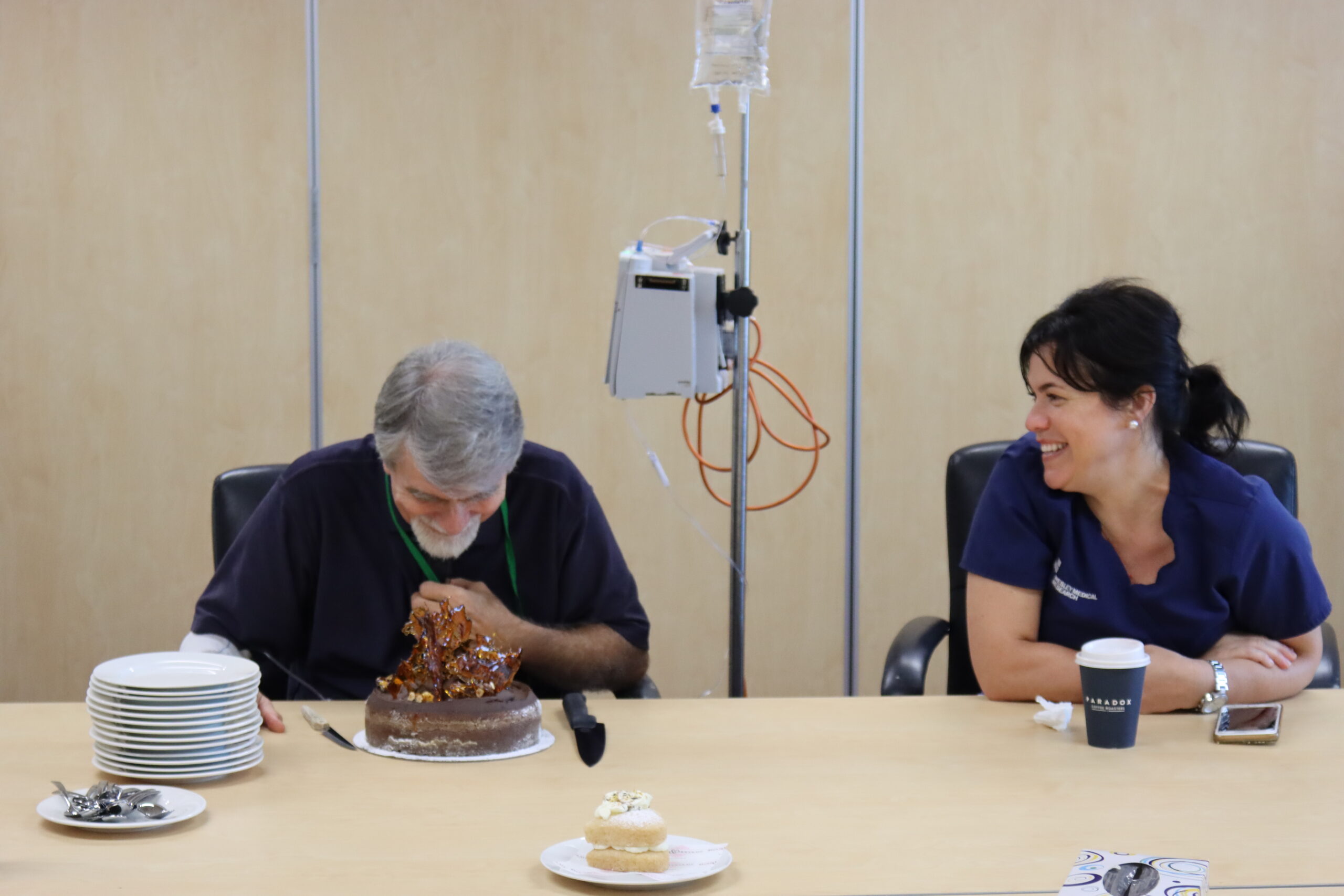
Wayne’s journey isn’t just a testament to medical innovation. It’s a testament to perseverance, to the power of research, and to the quiet, unwavering support of nurses like Jacqui who walk beside patients every step of the way.