
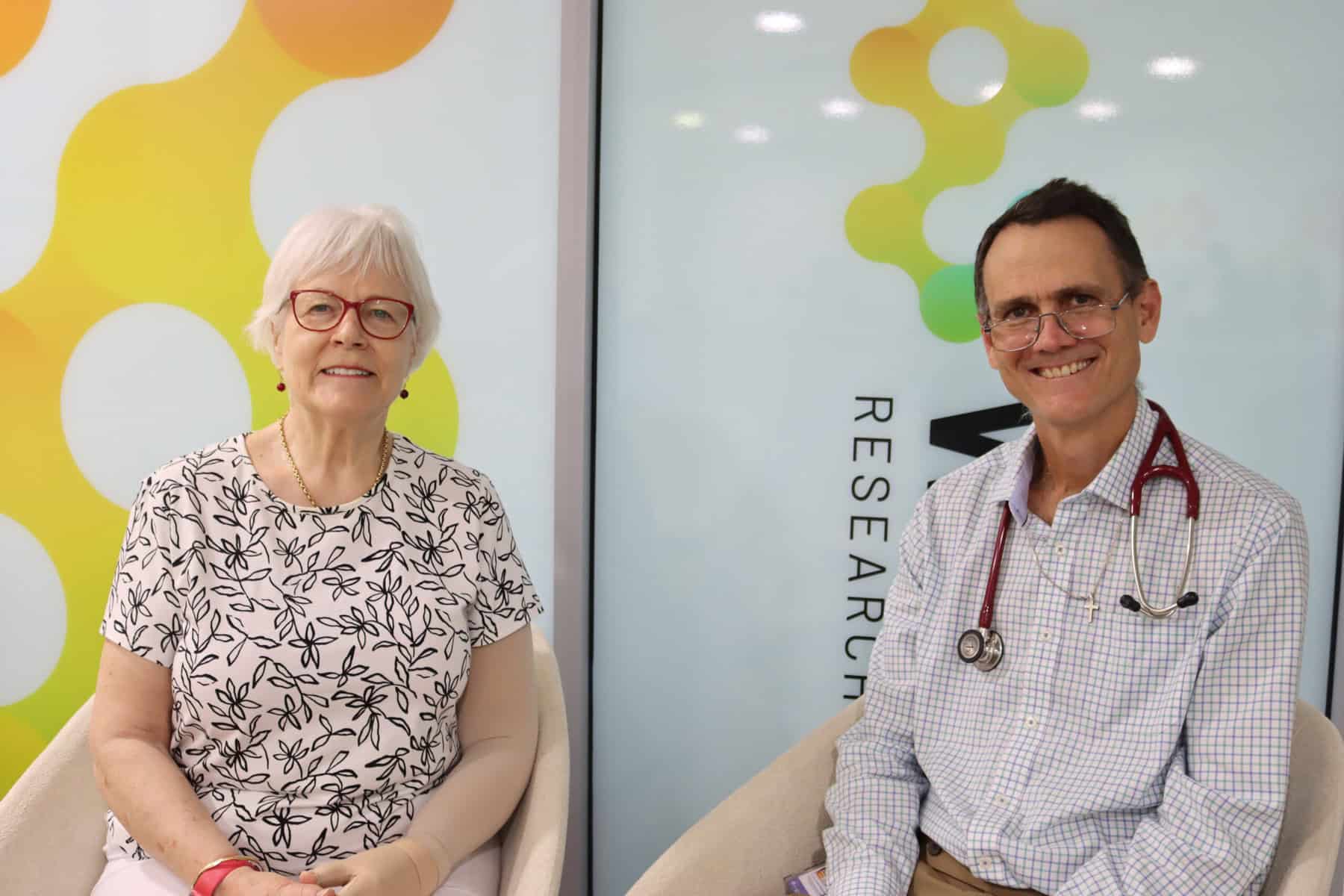
When Marjorie was diagnosed with breast cancer in February 2020, the world was shutting down. COVID-19 had just begun its global spread, and isolation became the norm. For Marjorie, a mother of two, it was a devastating time to face a life-altering diagnosis.
“I had five cancers in one breast and were of two different types – 4 lobular and 1 ductal,” she recalls. “It felt like I was being taken on a train and just had to go wherever it took me.”
Her diagnosis came at the Wesley Breast Clinic, where the team refused to let her leave until they had uncovered everything they could.
Marjorie underwent a left mastectomy, followed by two types of chemotherapy, five weeks of radiation, and was placed on tamoxifen. Her cancer was lobular, an elusive type that doesn’t form lumps and often goes undetected in scans. “It’s like thread on thread,” she explains. “The biggest tumour had likely been there for two years.”
Throughout her treatment, she found solace and support through the Choices Cancer Support Centre at The Wesley Hospital. “They helped me with everything, from yoga over Zoom to practical suggestions for the side effects that come with chemo treatment, like how to deal with your nails falling off or chemo brain fog. It was a lifeline. The centre gave me emotional support at a time when, with the new virus called COVID, it was too risky for me see or meet anyone else in my situation. I can never thank Choices and Dr Janine Porter-Steele enough for their support. She is now supporting me through the metastatic phase of my cancer”.
Despite the physical toll—cellulitis, fluid drains, and scars—Marjorie remained determined. “The only control I felt I had was cutting my hair short when it started falling out. I didn’t want to wake up every morning with a pile of hair.”
After five years of remission, she celebrated with a pair of earrings. But in May 2025, her health declined rapidly. She was admitted to hospital and diagnosed with metastatic breast cancer. Fluid had built up around her heart and lungs, leaving her breathless and weak.
I had five pleural drains and surgery to cut windows in the pericardium to drain the fluid. It was intense.
Marjorie
Metastatic breast cancer refers to breast cancer that has extended beyond the breast to other areas of the body, including the bones, liver, lungs, or brain. Often referred to as advanced, secondary, or stage 4 breast cancer, it is not currently curable, with various treatments available to help control the disease, prolong survival, and enhance overall quality of life.
The diagnosis was a shock. “I didn’t join the dots. I thought the weight gain and swelling were just part of big two storey house to a small unit. Which would have impacted by body, as I had been doing far fewer steps in a day. But I had nearly 8 kilos of fluid in my body when I presented at the hospital.”
Despite the fear and uncertainty, Marjorie found strength in her mindset. “I had four specialists and amazing nurses working hard for me. I had to do my bit. I turned my thinking around”.
Now facing her third attempt to control the cancer, Marjorie is preparing for a tougher intravenous chemotherapy.
It can’t be cured, but it can be controlled. I will fight on. I’ve got too much to live for.
Marjorie
She’s become a voice for survivorship, encouraging others to see chemo not as a monster, but as a friend. “It’s there to help you. Don’t be afraid of it.”
Her journey didn’t stop at treatment. Marjorie chose to participate in research after her latest surgery.
Marjorie is a participant in a research study funded by Wesley Research Institute and led by Dr Luke Garske, a Thoracic Physician at The Wesley Hospital.
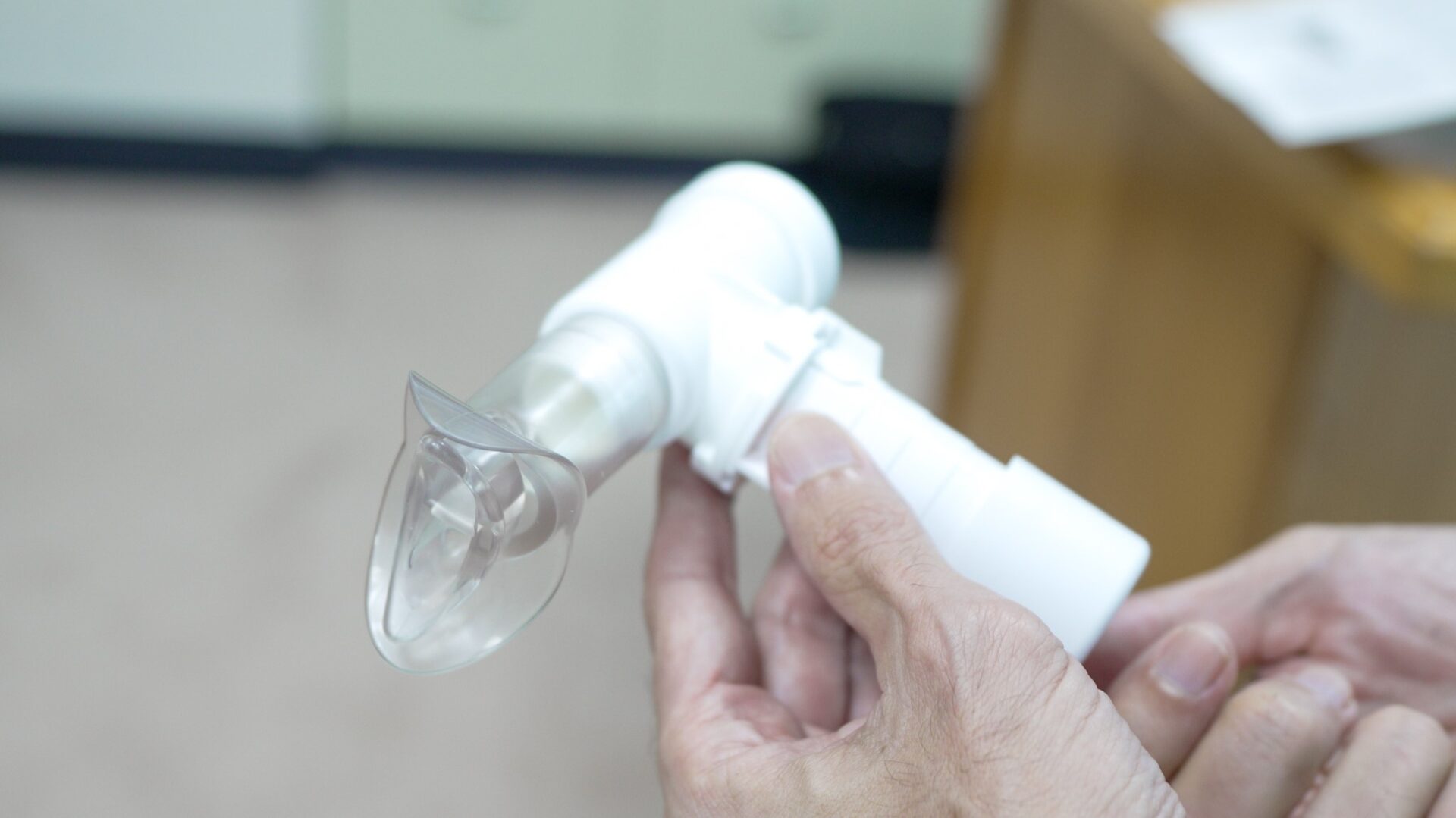
The study is looking to individualise and improve a non-invasive method to strengthen the breathing muscles of patients undergoing procedures to control malignant pleural effusion.
This condition, a common complication of cancer, involves the accumulation of fluid between the lung and chest wall, necessitating a procedure that aims to prevent further fluid build-up. The study introduces an innovative inspiratory muscle threshold load training protocol. This approach is designed to combat post-surgery challenges such as shortness of breath and diminished quality of life, by enabling patients to strengthen their respiratory muscles through personalised breathing exercises at home.
The RMT is individually prescribed to each participant and performed twice a day at home across a 6-week period. Participants are supported and coached by physiotherapists throughout this period.
“Patients suffering from malignant pleural effusion often have severe symptoms, and must live with uncertainty about how well their symptoms will be controlled with our traditional approaches with invasive pleural procedures. Our goal is to help our physiotherapy research team develop this less invasive way to improve outcomes after invasive procedures, and help manage symptoms better when fluid returns,” says Dr Luke Garske.
“Currently there is little useful guidance on non-invasive treatments for recurrence of fluid build-up and shortness of breath. Our research aims to be a crucial step in the development of a practical and beneficial new treatment option for these patients. I am personally inspired by Marjorie’s wonderful attitude and encouragement. This research would also not be happening if not for the generous donations which have allowed Wesley Research Institute to support the study team to do their work. I am also very grateful for the support of colleagues like Dr Lauren Galt (Thoracic Physician caring for Marjorie) who have actively supported this study,” mentions Dr Garske.
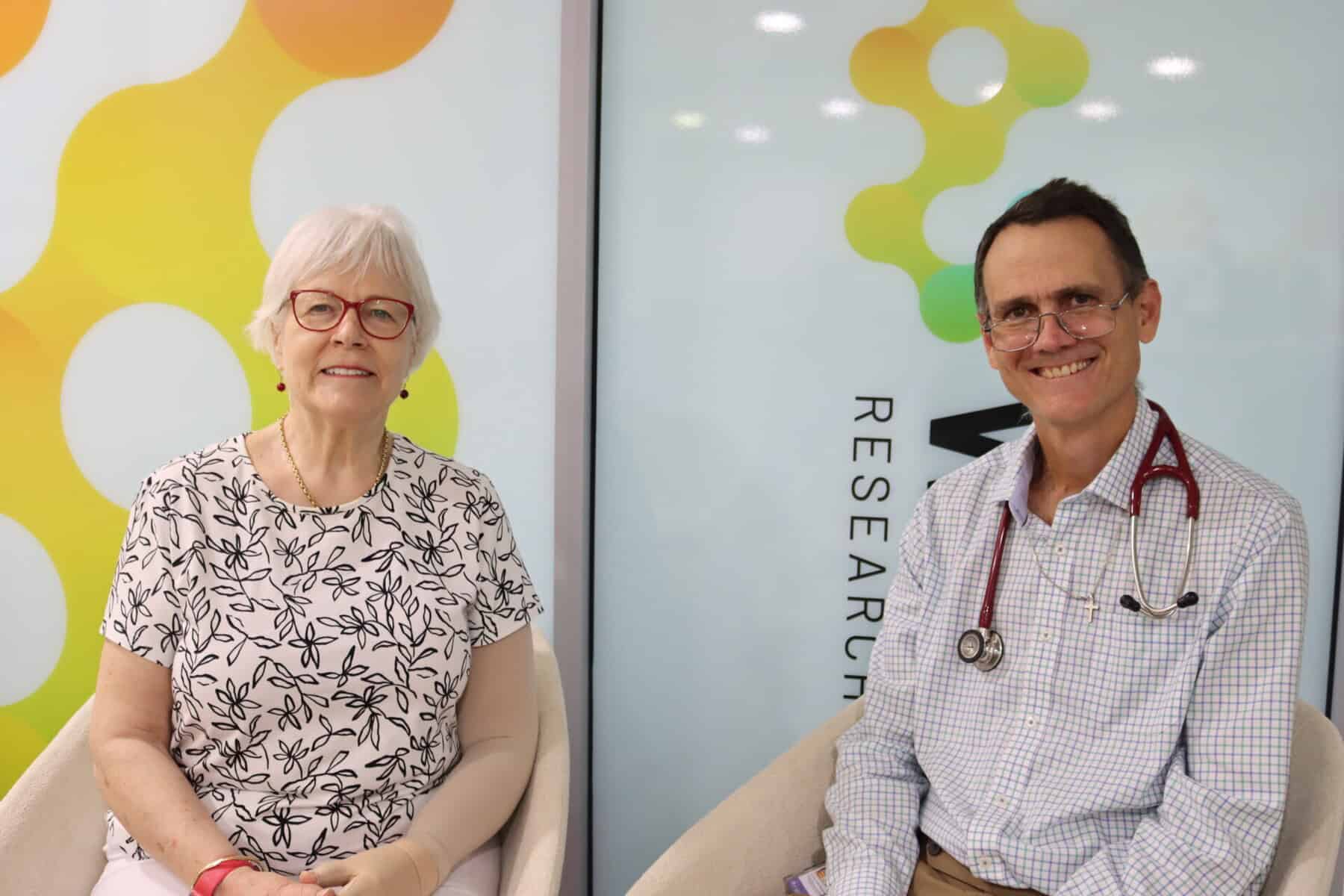
As for Marjorie, she has seen some key improvements since starting the research trial, “I truly believe the device has improved my quality of life. It’s allowed me to get back to taking my granddaughter to swimming lessons and even enjoy a recent trip to Melbourne. Without the combination of exercise and the device from the research trial, the fluid in my left pleural cavity would have left me breathless. I wouldn’t have been able to enjoy any of these things.”
I jumped at the opportunity to be part of the research. Even if it doesn’t benefit me directly, I was curious to see how the process works, and if my involvement can help others in a similar situation, then it’s worth it.
Marjorie
We’re deeply grateful to Marjorie for her generous contribution to research during such a challenging time, and we admire her unwavering positivity as she prepares for the next stage of her chemotherapy journey.
Learn more about the WRI funded research.