
Our People
Queensland Spatial Biology Centre
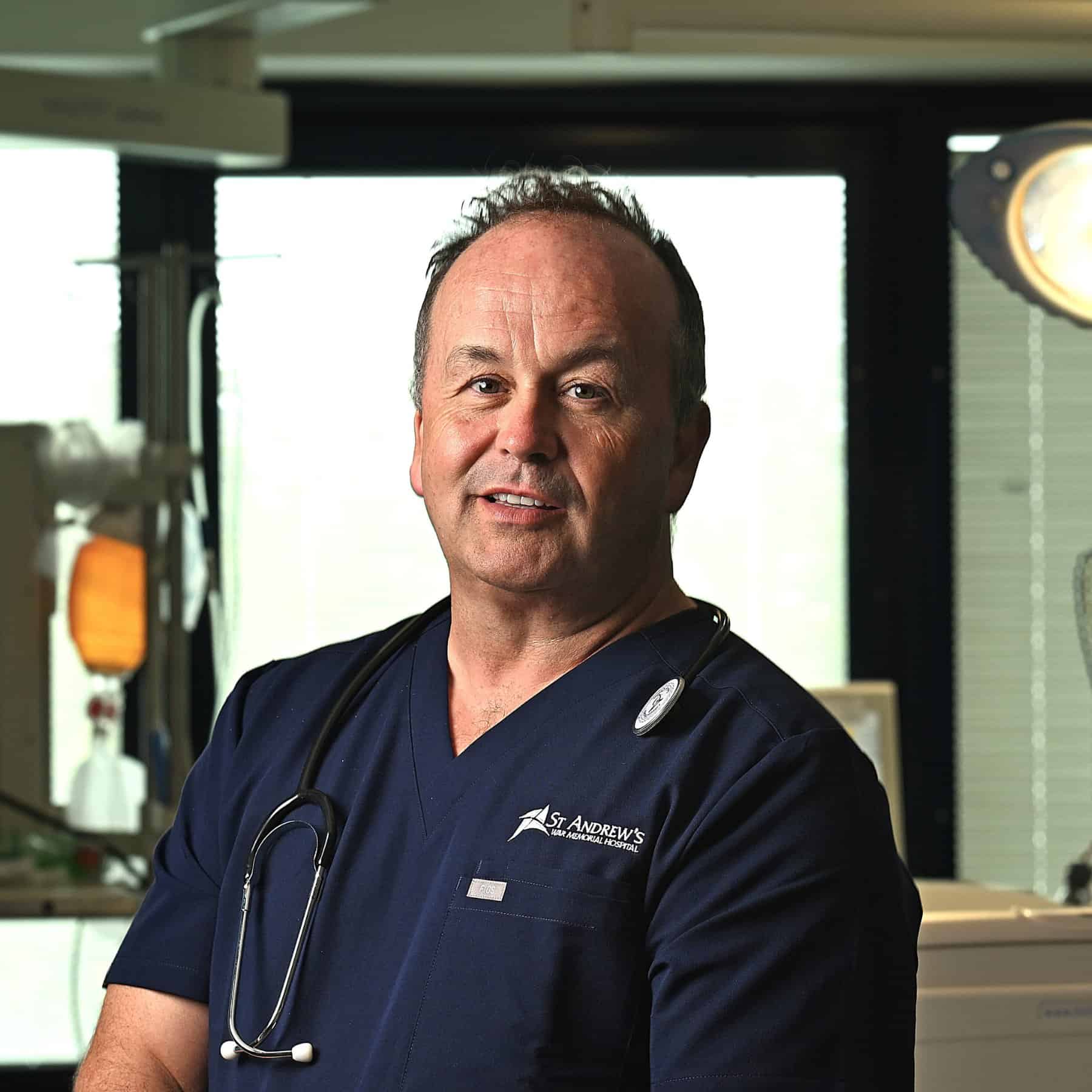
Professor John Fraser AO
QSBC Executive Director
Prof John Fraser AO is the Queensland Spatial Biology (QSBC) Executive Director, Founder and Director of the Critical Care Research Group, Director of the Intensive Care Unit at St Andrew’s War Memorial Hospital, Founder and Chief Medical Officer of De Motu Cordis Pty Ltd and Founding member and Co-Chair, International ECMO Network.
John has five professorships across major Australian universities, has published over 700 peer-reviewed publications and has received more than $120 million in competitive grants. In 2018, John was awarded the Australian Society of Medical Research Clinical Research Award. Professor Fraser AO was named an Officer of the Order of Australia in January 2025 for his distinguished service to medicine as an intensive care physician and surgeon, and to global critical care research.
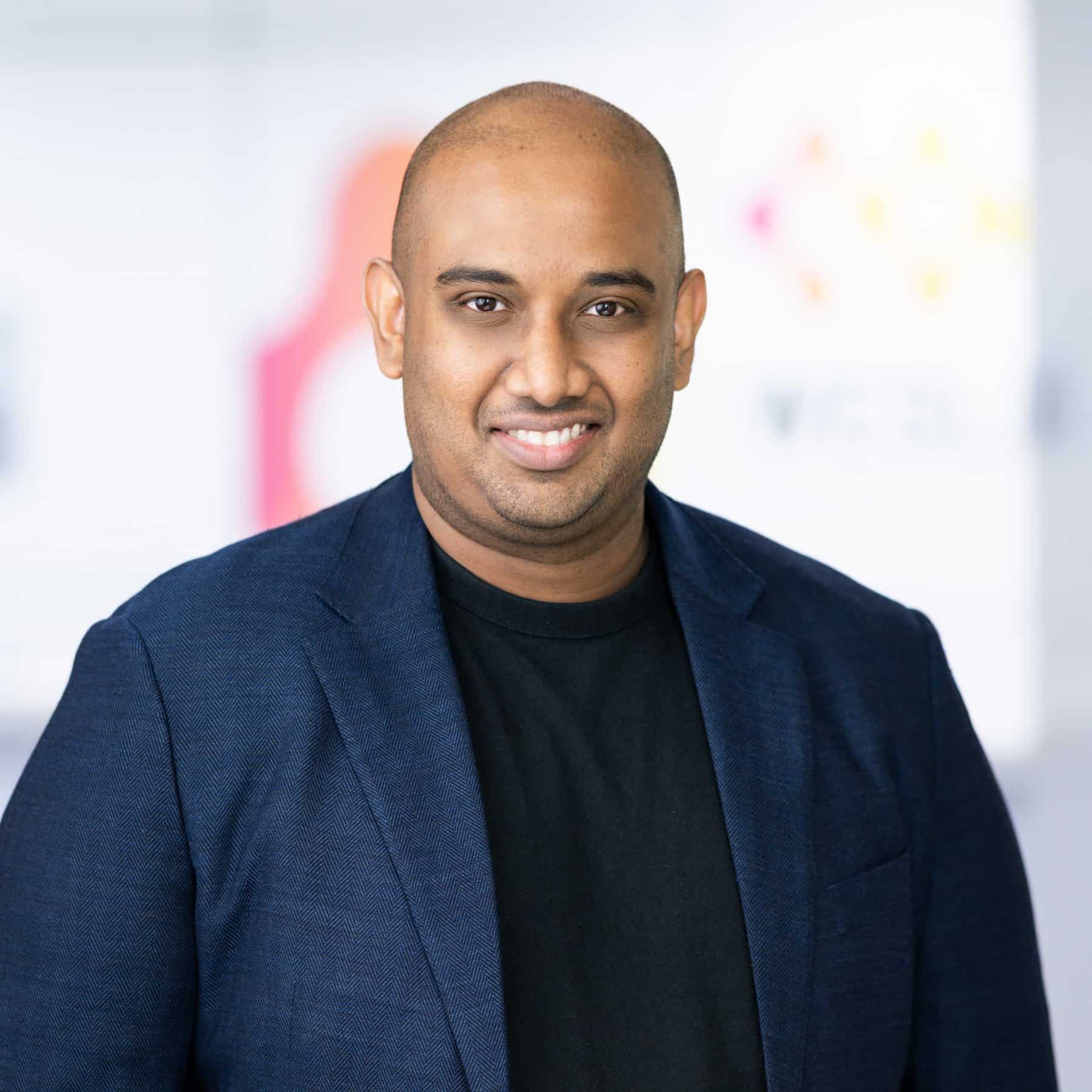
Associate Professor Arutha Kulasinghe
QSBC Scientific Director
Associate Professor Arutha Kulasinghe leads the Clinical-oMx Lab at the Frazer Institute, University of Queensland and is the Founding Scientific Director of the Queensland Spatial Biology Centre (QSBC) at the Wesley Research Institute. A/Prof Kulasinghe has pioneered spatial transcriptomics, proteomics, and interactomics in the Asia-Pacific region, contributing to world-first studies in lung cancer, head and neck cancer, and tissue atlasing studies of infectious diseases across pandemics. His research aims to understand the underlying pathobiology by using an integrative multi-omics approach. A/Prof Kulasinghe is supported by the Wesley Research Institute, MRFF, NHMRC, US DoD, Cancer Australia, Cure Cancer and numerous hospital and philanthropic organisations.
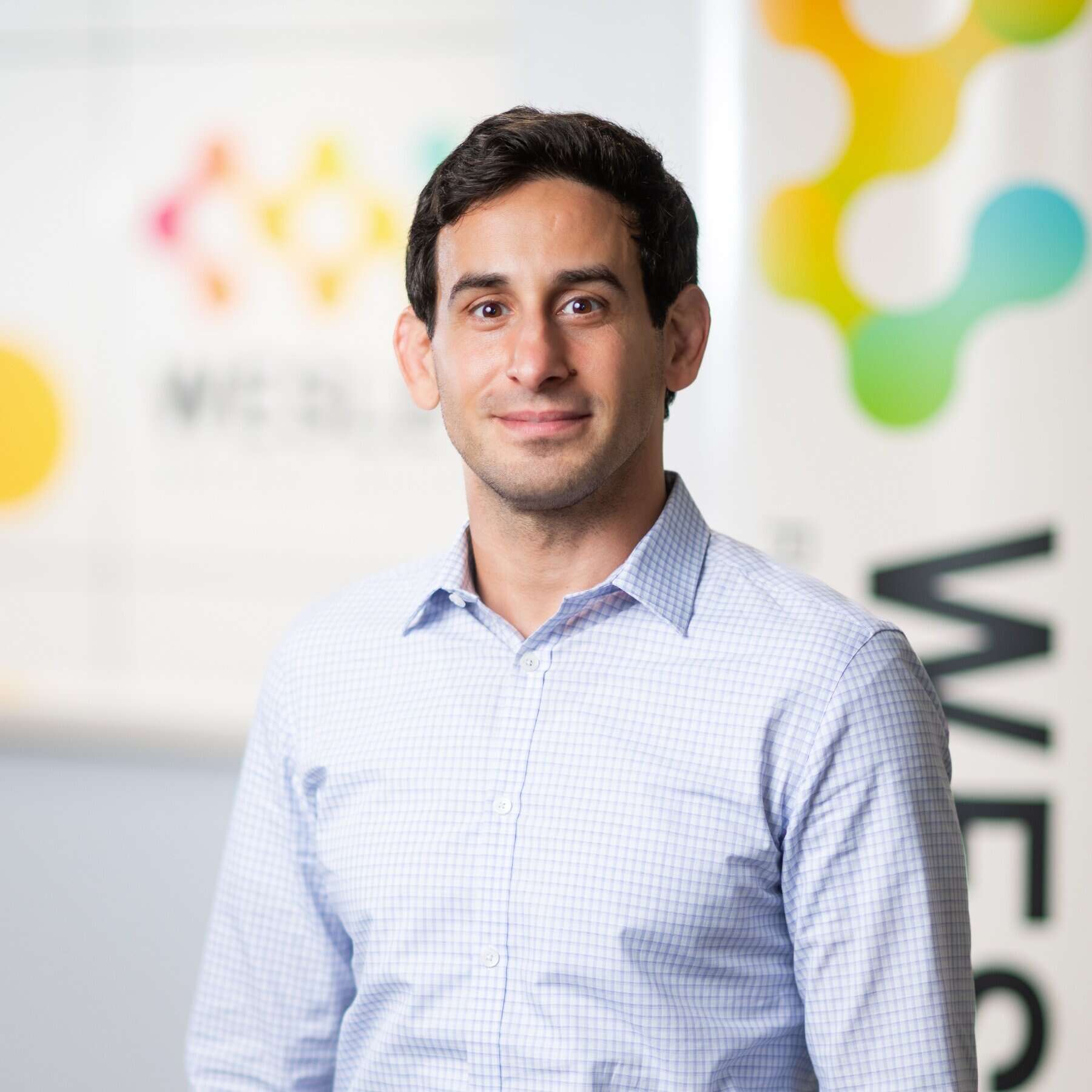
Dr Eliot Peyster
QSBC Head of Cardiovascular Research
Dr Eliot Peyster is the Head of Cardiovascular Research at the Queensland Spatial Biology Centre (QSBC) and an Adjunct Professor of Medicine at the University of Pennsylvania and the University of Queensland. He is a cardiologist and transplant physician whose research integrates spatial biology, advanced computational methods, and novel human tissue models to drive precision medicine breakthroughs in cardiovascular disease, heart failure, and organ transplantation.
Dr Peyster has led pioneering studies applying machine learning and computer vision to improve diagnosis and prediction in diseases of both the native and transplanted hearts, earning national research awards, multiple patents, and international recognition. Building on this expertise, his group is now establishing real-world workflows for AI and computer-vision-based clinical decision support. In pursuit of further real-world impact, his group is now developing living human heart tissue platforms for ex-vivo therapeutic trials — enabling direct testing of new drugs and interventions in real human myocardium before they reach patients.
Current research focuses on uncovering human-specific mechanisms and biomarkers in cardiac sarcoidosis, coronary artery disease, transplant rejection, and heart failure, while developing new translational pipelines that accelerate therapies from the lab to the clinic.
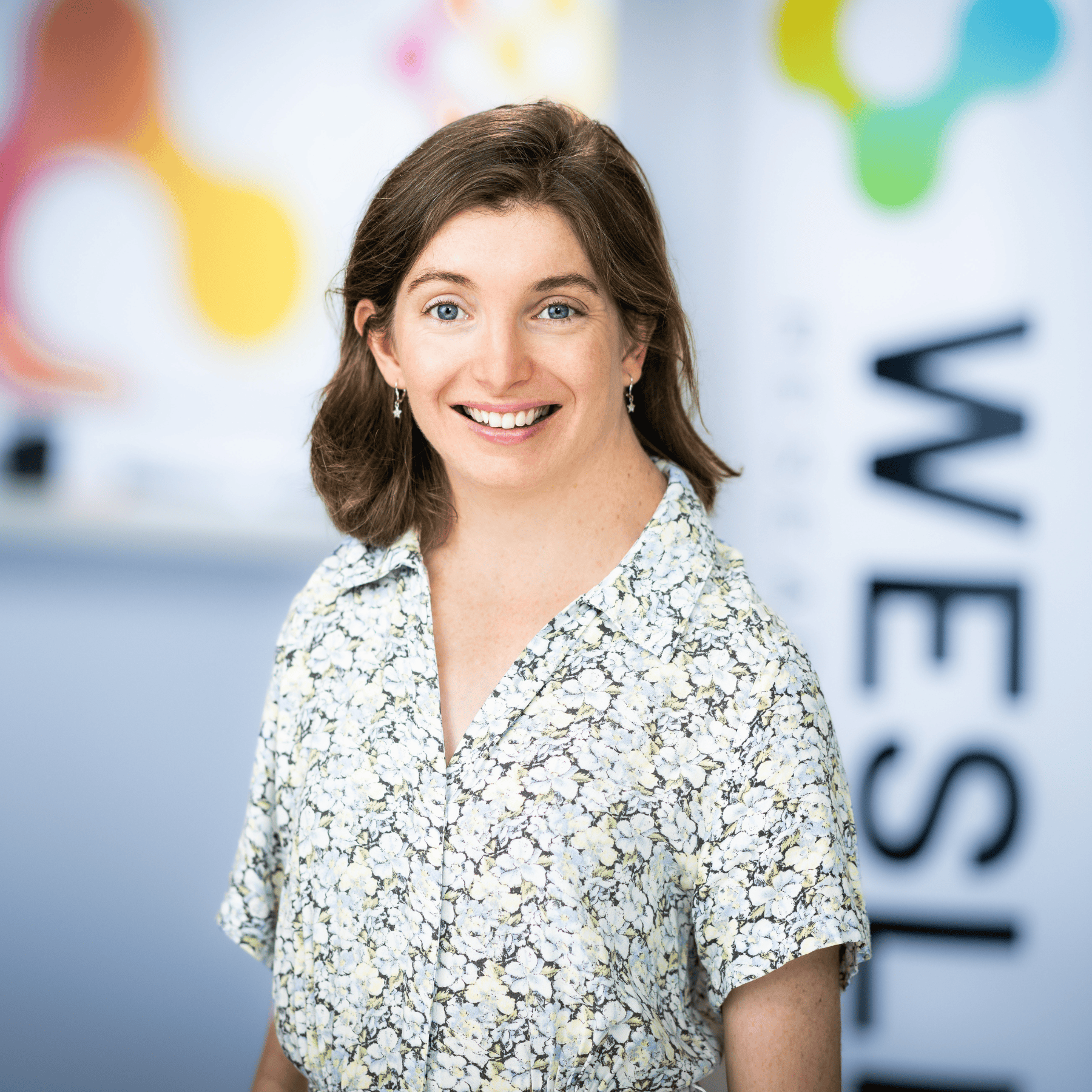
Dr Meg Donovan
QSBC Research Officer
Dr Meg Donovan is a Research Officer at the Queensland Spatial Biology Centre (QSBC). Meg completed a Bachelor of Biomedical Science with Class I Honours at the University of Queensland (UQ) specialising in immunology and infectious diseases. She went on to complete her PhD at the UQ Frazer Institute, studying the host-pathogen interactions that occur during infection. In this time, Meg became interested in employing spatial biology technologies to answer biological questions about health and disease. At the QSBC, Meg is working on discovery and translational research projects using cutting-edge tissue profiling technologies to assess a multitude of biomarkers across every cell within cancer, heart, and lung disease.
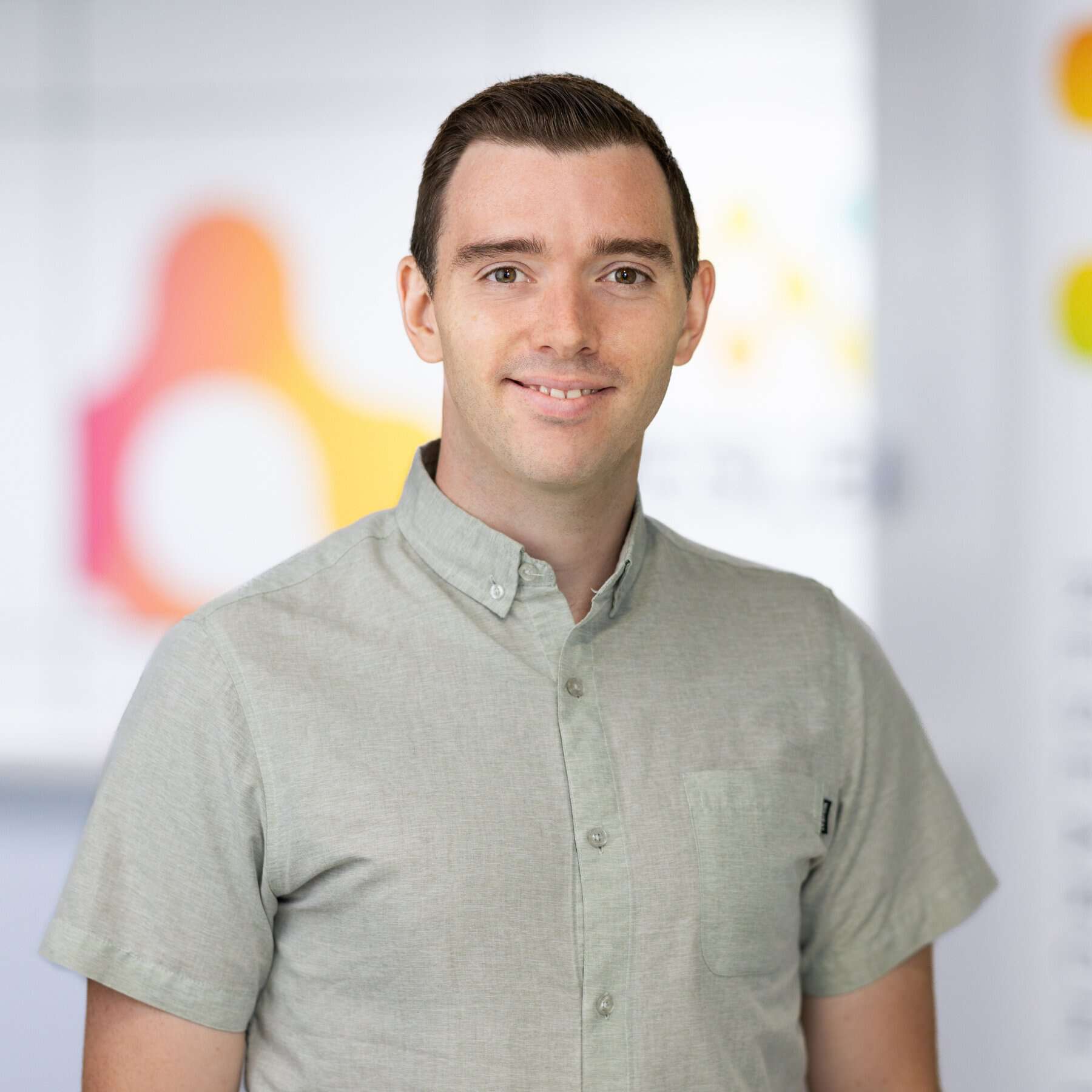
Dr Aaron Kilgallon
QSBC Research Officer
Dr Aaron Kilgallon is a Data Scientist at the Queensland Spatial Biology Centre (QSBC) at the Wesley Research Institute. Aaron has research backgrounds in particle physics and in the application of data science techniques in biophysics and neuroscience. His doctoral research at the University of Oregon was on the application of machine learning techniques to search for undiscovered and novel signatures of dark matter produced at the Large Hadron Collider. He then gained further research experience as a Postdoctoral Researcher at the Queensland Brain Institute, where he worked on applying machine learning and data science techniques to understand the motion of GABA neuroreceptors near neuronal synapses when affected by epilepsy-associated mutations.
Aaron brings many technical skills to his role at the QSBC, including machine learning, the development of image analysis algorithms, mathematical modelling, and data science. He is passionate about research in data-driven techniques to revolutionise medicine and improve treatment outcomes for patients, particularly those with degenerative diseases, and believes that next-generation medicine will rely on these methods to address the complexity of modern healthcare.
Dr Aaron Kilgallon is supported by the Harding Family Fellowship, and we are grateful to the Harding family for their generosity.
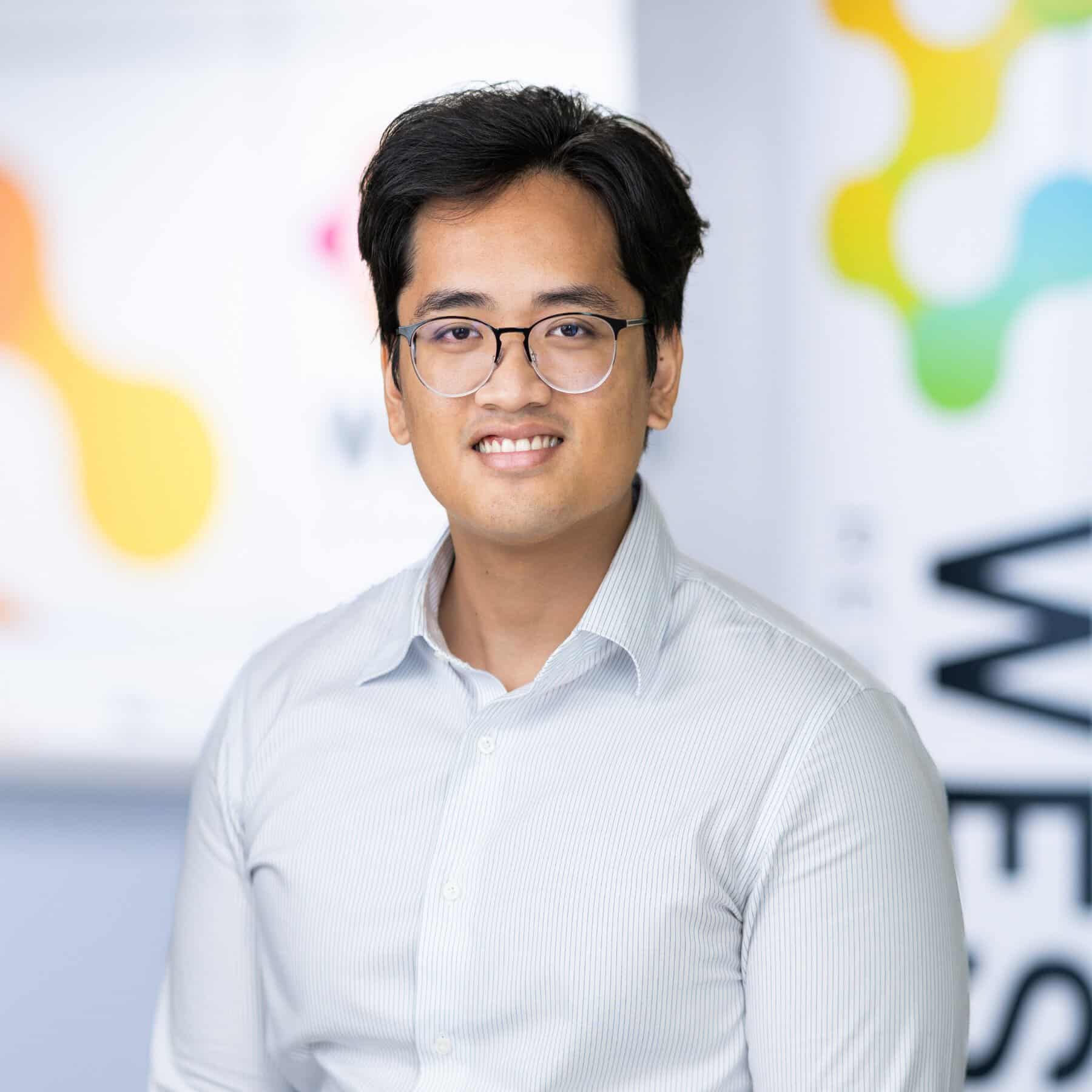
Rafael Tubelleza
QSBC Data Scientist
Rafael Tubelleza is a Data Scientist at the Queensland Spatial Biology Centre (QSBC). After completing a Master of Bioinformatics from the University of Queensland (UQ), he joined the Genome Innovation Hub (GIH) as a Computational Biologist, where he developed computational methods and analysis pipelines for complex and novel datasets across genomics, spatial transcriptomics, and proteomics.
At QSBC, Rafael analyses high-dimensional spatial biology datasets and develops computational tools, AI models, and data infrastructure to support robust and scalable biomedical analysis. He is focused on applying machine learning, deep learning, and explainable AI within healthcare, with an emphasis on scalable and reproducible systems using modern MLOps practices. His interests also include emerging agentic AI approaches for complex analytical and decision-support workflows in clinical and translational research.
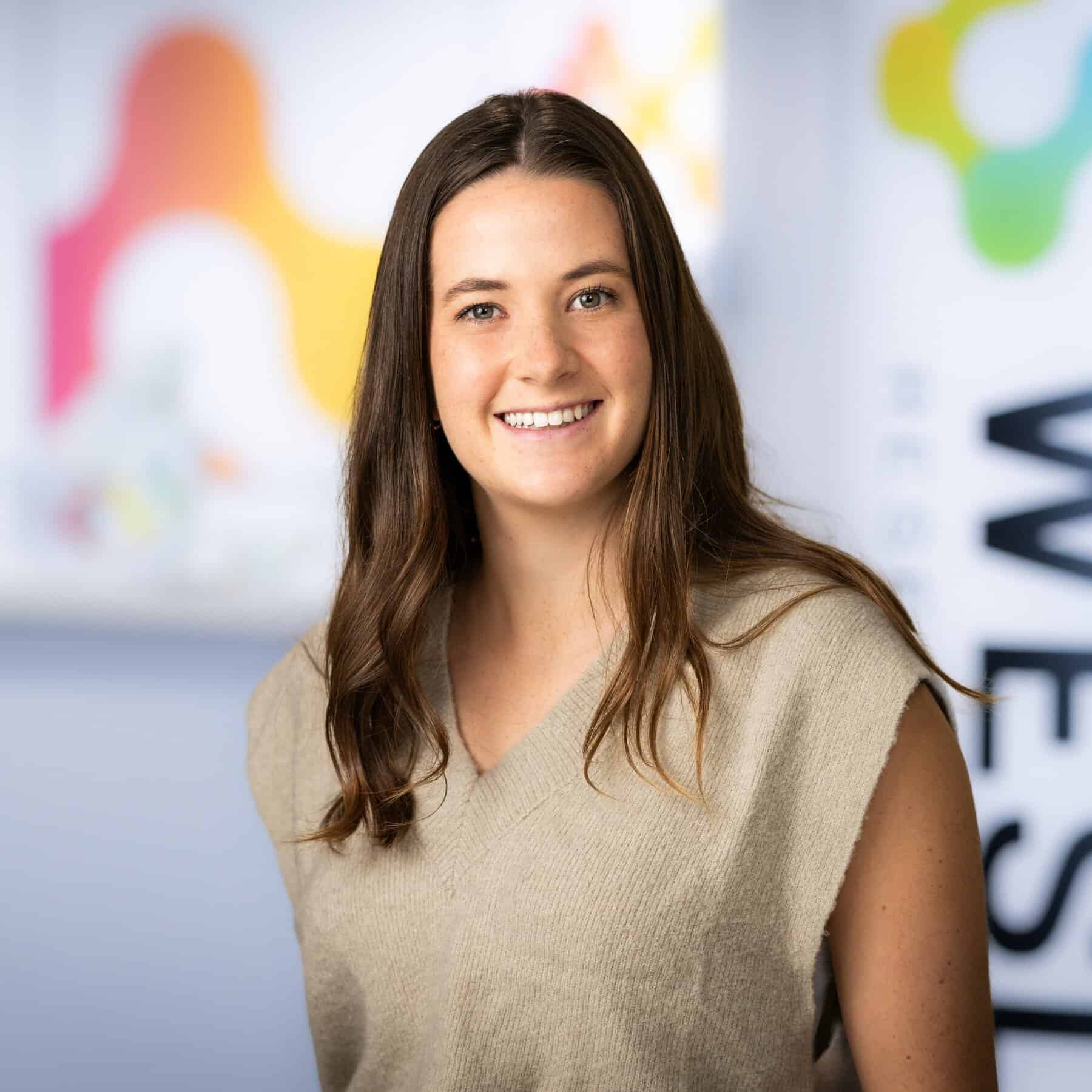
Naomi Berrell
QSBC Research Assistant
Naomi Berrell is a Research Assistant at the Queensland Spatial Biology Centre. She graduated with a Bachelor of Biomedical Science First Class Honours from the Frazer Institute, Faculty of Medicine, The University of Queensland. Naomi has extensive experience applying spatial biology approaches across a number of solid malignancies to identify predictive tissue-based signatures for the development of predictive biomarkers. She has presented her findings at national and spatial user group meetings across Australia.
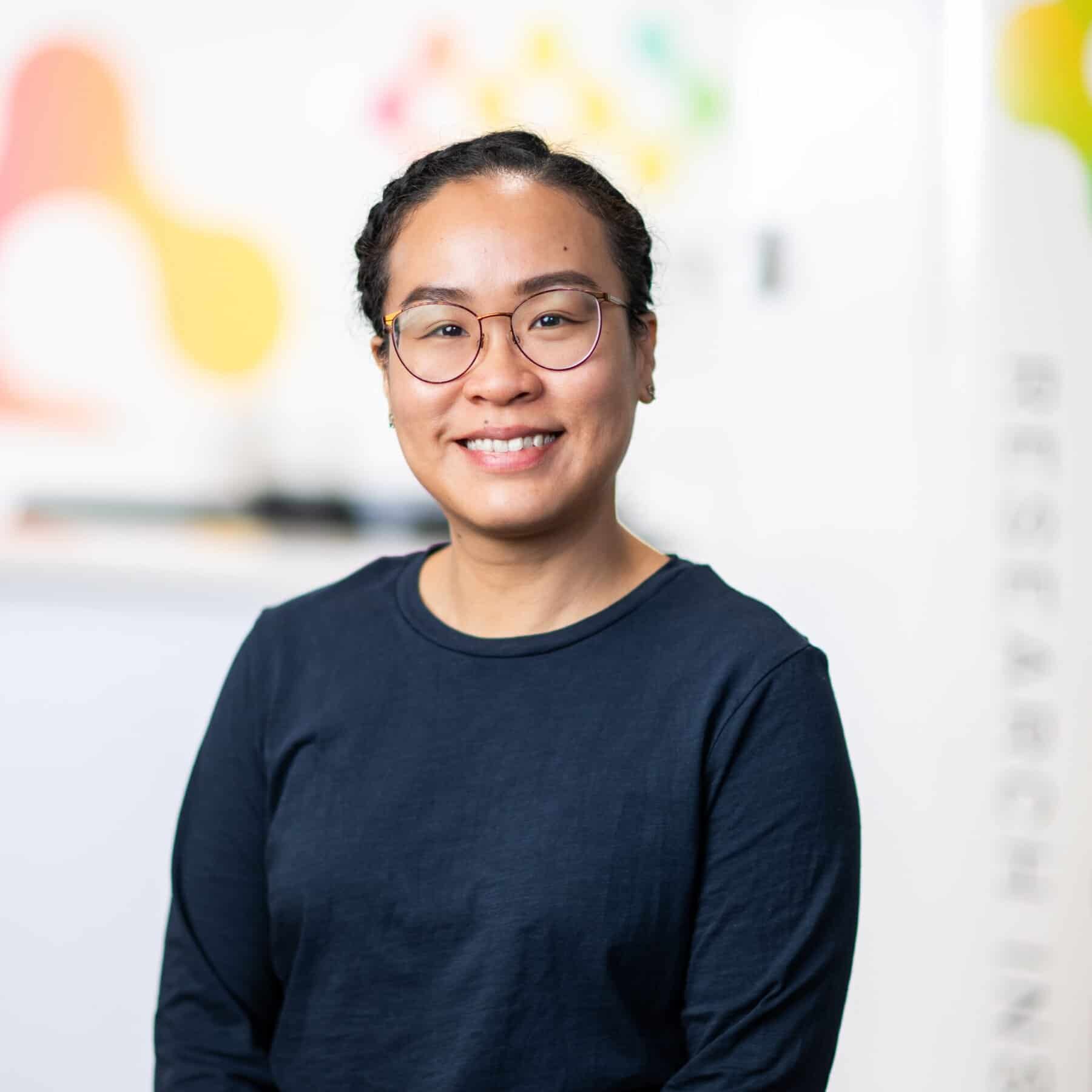
Dr Allie Lam
QSBC Research Assistant
Dr Allie Lam is a Research Assistant at the Queensland Spatial Biology Centre (QSBC) with expertise in immunology and cancer immunotherapy. She completed a Bachelor of Science (Honours) at the University of Melbourne, specialising in immunology and microbiology, and a PhD in Biomedical Sciences at The University of Queensland, where her research focused on immune modulation for cancer immunotherapy.
At the QSBC, Dr Lam supports collaborative projects using advanced spatial and tissue-based profiling approaches to characterise cellular heterogeneity and biomarker expression in complex tissues. Her work aligns with the centre’s mission to enable high-quality spatial biology research and to support translational outcomes across cancer and other disease areas.