
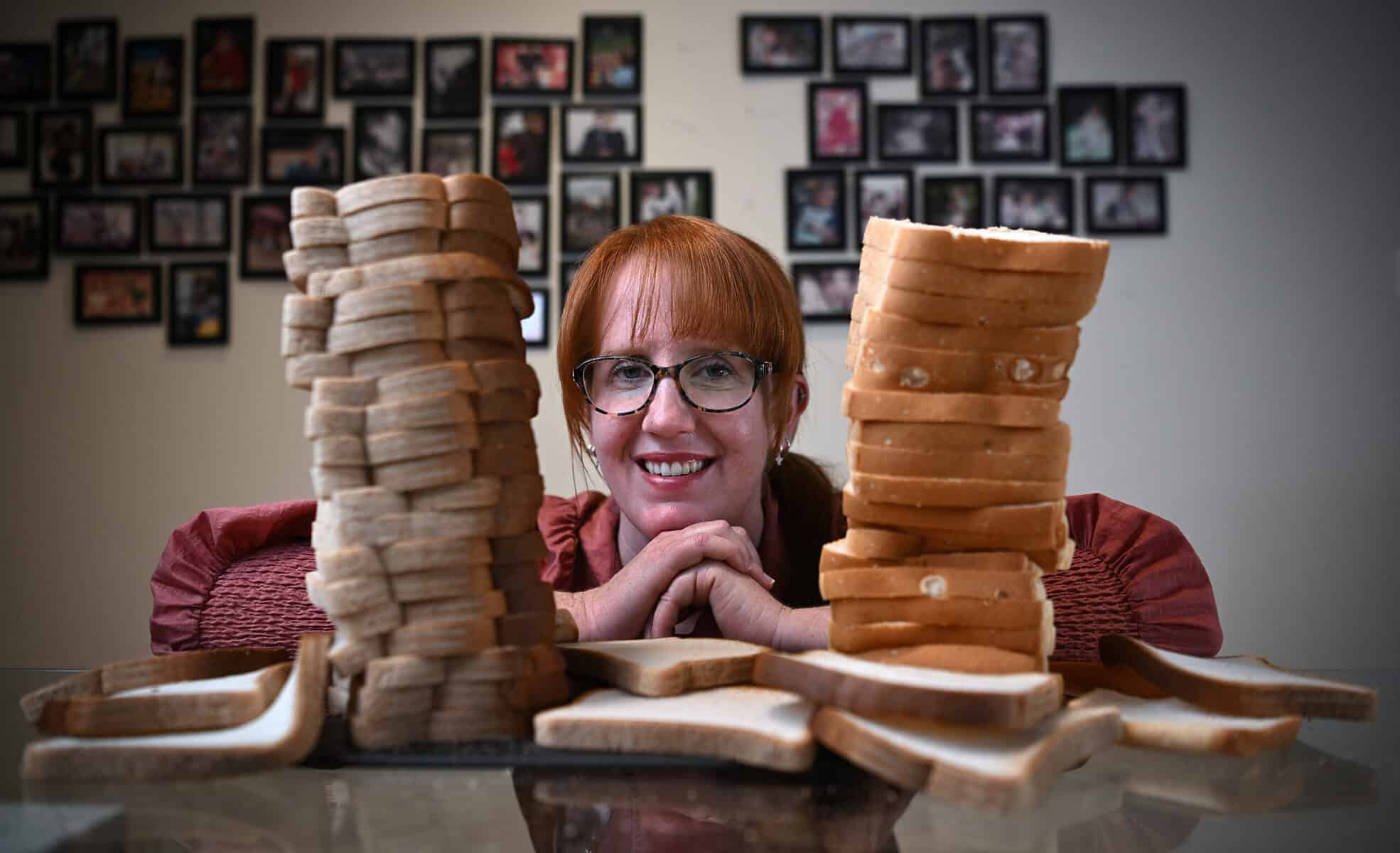
For Brisbane occupational therapist Kira Perry, coeliac disease came as a complete shock. She had no symptoms, no history of digestive issues and no reason to think anything was wrong. But one routine appointment changed everything.
“I went in for my thyroid results, and the endocrinologist said your coeliac markers are a little high, are you not following your gluten-free diet? I said, my what?” Kira recalls.
“She realised that was me finding out and said, ‘Oh, I could have done that better’.”
Her diagnosis at 40 reshaped not only her own life, but her children’s.
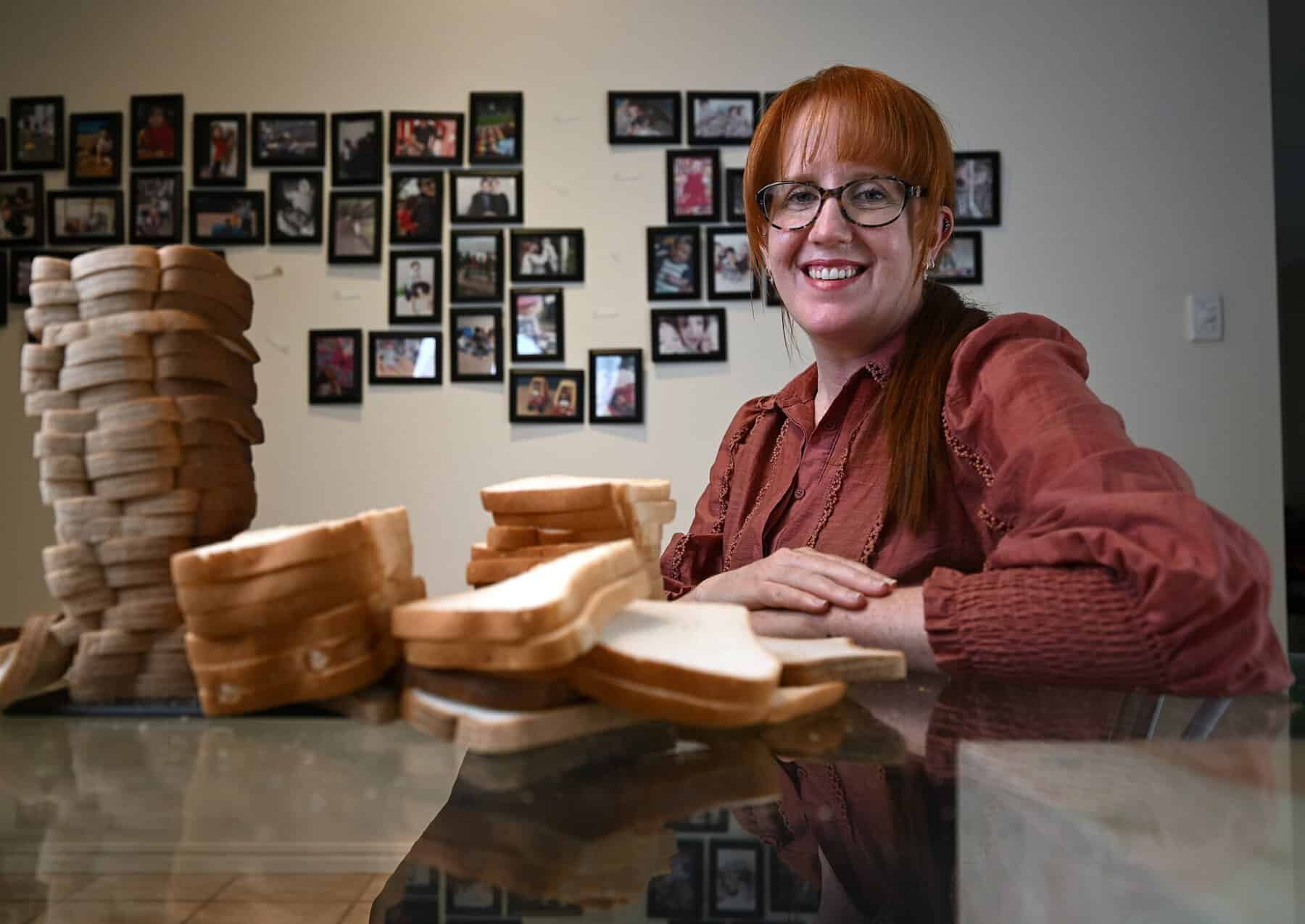
“I had absolutely no symptoms. They think it might have been triggered by pregnancy. Looking back, I had low iron and I’ve ended up with bone density issues, so it was possibly there much earlier and we never knew,” she said.
Kira’s insistence on testing her children was pivotal.
“My GP said not to bother with testing because they had no symptoms. But I said, I had no symptoms. One was diagnosed immediately and the other a year later when we tested again as we wanted also find out about genetic markers.”
When she was invited to participate in the Wesley Research Institute’s Gluten Threshold Study, led by Coeliac Disease & Immune Health Research Program Clinical Director Dr James Daveson, Kira didn’t hesitate.
“My kids have had coeliac disease most of their lives. Most of their experiences are impacted by food. Anything that makes things simpler and clearer for them is huge,” she said.
The study, published this week in the respected journal Gastroenterology, aims to strengthen food labelling laws internationally by providing clear scientific evidence about safe gluten thresholds.
While Australia enforces strict gluten-free standards, some countries allow products labelled gluten-free to contain up to 20 parts per million of gluten. For families like Kira’s, that gap matters.
We want to know that if you buy a product labelled gluten-free, it actually is what it says. My son gets really unwell, really fast, on exposure.
Kira
Coeliac disease has reshaped Kira’s family life in both practical and emotional ways.
“It’s frustrating and tiring having to think about and make plans for food all the time. Seven years on, you get sick of explaining and educating people,” she said.
“The biggest thing is inclusion. Food is such a big part of our culture. My kids won’t get that same carefree socialising and travel that I had growing up.”
It is her children who motivate her most.
“We know we’re lucky. We can afford most gluten-free products and I could take time off work to participate in the trial. Not every family can. So, if I can contribute, I will.”
Kira attended the Wesley Research Institute multiple times for the trial.
“I’d bring my phone and headphones, catch up on work or professional education and the staff were always brilliant,” she said.
Her message to others considering participating in research is simple.
It’s how change happens. If the evidence isn’t there, the funding won’t come for this and other research. Taking part means you’re helping improve other people’s lives.
Kira
The study’s findings are expected to influence international food labelling standards – an outcome that gives Kira a genuine sense of purpose.
To think something we’ve been part of could help change food laws around the world… that’s huge.
Kira
“I am proud to have been involved in something with that impact and reach.”
The Gluten Threshold Study was recently featured in The Australian. Learn more by following the button below.